Private jet hourly rates in Denver
Private jet hourly rates in Denver run from $2,200 to $14,500 an hour by class. Centennial Airport sits at 5,885 feet, so density altitude matters. Rates are estimates and vary by operator and route.
- airport
- 1
- priced routes
- 0
- Home
- Denver
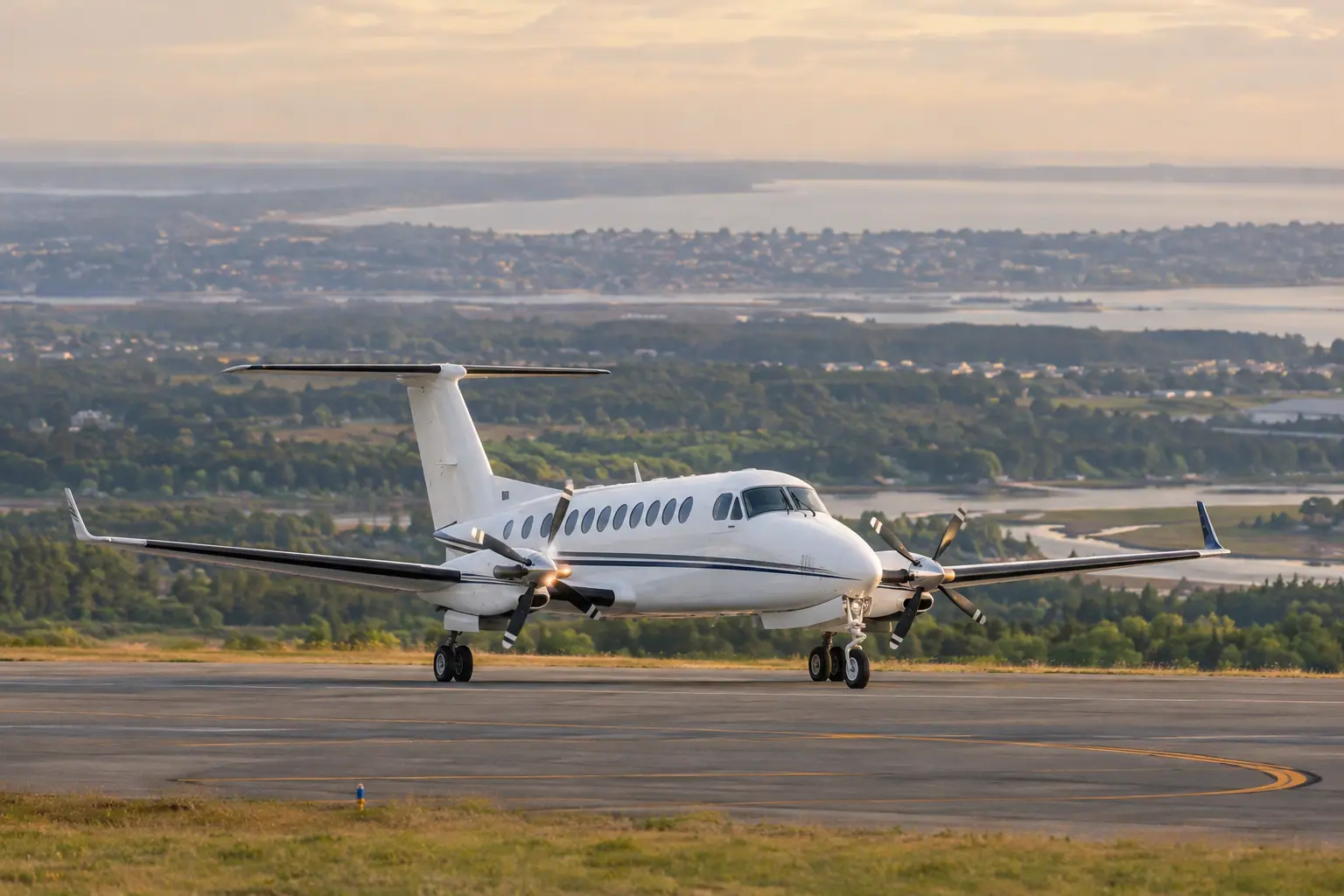
Denver is a high-altitude market, and that shapes what you can book. Centennial Airport (KAPA) sits at 5,885 feet with a 10,001-foot runway, and on a hot July day density altitude climbs to 9,200 feet. At 115F it can read 9,700 feet. Turboprops and light jets lose climb performance up there, and a mid-size or super-midsize airframe often handles a full passenger load out of Denver and into the mountains better. When an operator quotes a specific tail, ask which airport and which departure time the number assumes. Light jets quote $3,800 to $5,800 per hour and carry 4 to 7 passengers on most charter flights from Denver.
The airport you choose changes the drive and the price. KAPA in Englewood draws most of the private traffic because it is close to the south metro and the tech corridor, but Signature, Modern Aviation, and jetCenters all charge handling based on weight and time on the ramp. If your trip is short, landing fees and hangar time can add a few hundred dollars that never show up in the hourly rate. Flying out of Centennial instead of a distant field saves 611 miles of repositioning on a typical booking when the aircraft is already based nearby. Ask where the jet is parked before you compare quotes.
Most Denver charter flights run regional: Vail and Aspen on winter weekends, Las Vegas and Southern California for meetings, and Texas for energy work. A turboprop or light jet can cover the shorter legs at $2,200 to $5,800 an hour, while a heavy jet at $9,500 to $14,500 per hour is the tool for a coast-to-coast nonstop with 10 to 14 people. Availability tightens around ski season and major Denver events, so lock the date early. A super-midsize at $7,200 to $10,000 per hour typically covers Las Vegas or Los Angeles nonstop without a fuel stop.
The hourly rate is only part of the bill. Crew overnight, landing fees, de-icing in winter, and the empty leg back to base all sit on top. When a quote looks low, ask what is included and what is not. Charter brokers arrange flights; the operator, flying under FAA Part 135, holds operational control and sets the final price. That distinction matters when weather or maintenance forces a change.
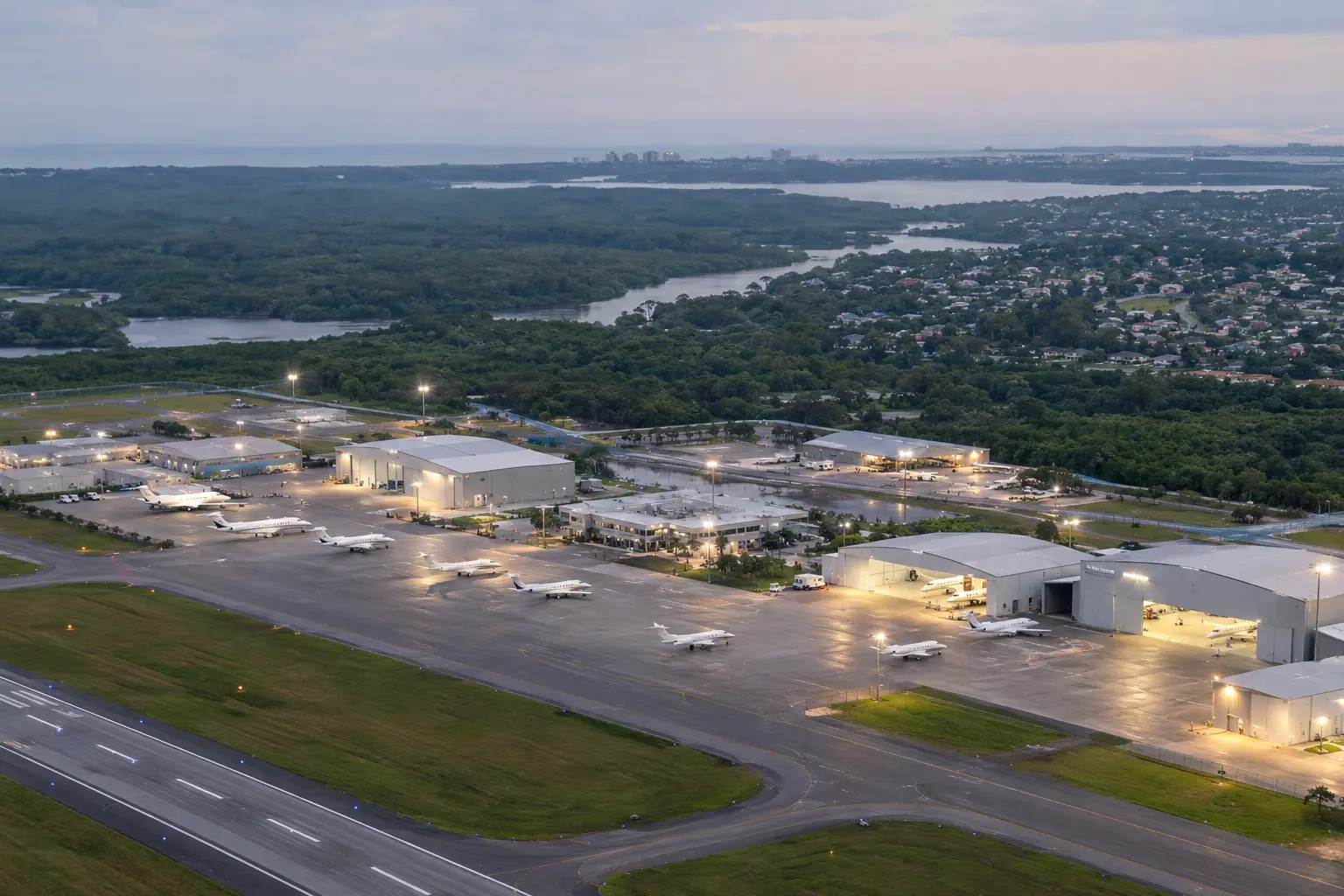
Airports serving Denver
How to book a charter flight from Denver
Fix the mission before the aircraft
Count passengers, bags, and the real route. A family of five to Aspen is a light jet or turboprop job; eight people to New York nonstop points to a super-midsize or heavy. Tell the broker the departure window and whether a fuel stop is acceptable.
Compare quotes by aircraft class
Ask each quote to state the class, the tail type, the operator, and what the hourly rate covers. Turboprops run $2,200 to $3,500 an hour and light jets $3,800 to $5,800, so a quote that looks high may simply be a different class.
Check the airport and the altitude
Centennial's 5,885-foot elevation and July density altitude of 9,200 feet can limit payload. If the trip is long or the day is hot, ask the operator to confirm performance with your actual passenger and bag count.
Confirm the contract and the regulator
The charter broker acts as your agent under DOT Part 295; the operator flies under FAA Part 135 and holds operational control. Read the cancellation terms, the crew duty limits, and the de-icing policy before you sign.
Why Denver flying is different
Centennial Airport is the busiest general aviation field in the region, and its 5,885-foot elevation is the fact that drives most conversations here. On a 115F day the density altitude reaches 9,700 feet, so a light jet booked full on a hot afternoon may need a weight reduction or a different departure time. Three FBOs on the field handle private charter flights, and each sets its own handling fee based on aircraft weight. Winter brings de-icing, which is billed by fluid used and can run into the thousands on a heavy jet, and mountain weather can close passes and reroute flights quickly. Book with margin in ski season and ask about the alternate airport before you commit.
| Month | Avg high | Wet days |
|---|---|---|
| Jan | 41°F | 5 |
| Feb | 43°F | 7 |
| Mar | 51°F | 7 |
| Apr | 59°F | 9 |
| May | 67°F | 13 |
| Jun | 82°F | 8 |
| Jul | 87°F | 8 |
| Aug | 85°F | 6 |
| Sep | 80°F | 5 |
| Oct | 65°F | 5 |
| Nov | 52°F | 5 |
| Dec | 44°F | 4 |

Estimate a trip
Choose a route, travelers and bags to view the suitable class, flight duration and a price range.
Questions
What are private jet hourly rates in Denver?
Private jet hourly rates in Denver range from $2,200 to $14,500 per hour depending on class. Turboprops quote $2,200 to $3,500, light jets $3,800 to $5,800, midsize jets $5,200 to $7,800, super-midsize jets $7,200 to $10,000, and heavy jets $9,500 to $14,500. These are market estimates, not a quote; the final price depends on the operator, the tail, and the date.
Which airport do Denver charter flights use?
Most use Centennial Airport (KAPA), which sits at 5,885 feet with a 10,001-foot runway. Three FBOs on the field handle private flights: jetCenters of Colorado, Modern Aviation, and Signature Aviation North. Denver International handles commercial traffic and some larger charter operations. Where your jet is based matters, because a repositioning flight adds hours to the bill before you board.
Does altitude change the price of a charter from Denver?
It can, because performance limits payload. Centennial's July density altitude reaches 9,200 feet and up to 9,700 feet at 115F. On a hot day a light jet at full seats may need a fuel stop or a weight reduction, and the operator may quote a larger airframe instead. A midsize at $5,200 to $7,800 per hour can be the practical choice for a long summer leg with a full cabin.
How much does a turboprop cost per hour out of Denver?
A turboprop quotes $2,200 to $3,500 per hour and carries 6 to 8 passengers with a typical range of 1,500 nautical miles. For regional legs, the hourly cost is the lowest in the market. On a hot day at Centennial, a turboprop's climb performance is limited, so an early departure or a lighter load is often the answer.
Who is responsible when I book a charter broker?
The broker arranges the flight as your agent under DOT Part 295, and the operator flying the aircraft holds operational control under FAA Part 135. That means the operator is responsible for crew, maintenance, and the flight itself. Ask for the operator's name and certificate before you pay, and confirm the cancellation and de-icing terms in writing so there are no surprises.
When should I book a Denver charter for ski season?
Book several weeks ahead for December through March, because Denver aircraft go fast on ski weekends. A light jet at $3,800 to $5,800 per hour fills first for Aspen and Vail, and a heavy jet at $9,500 to $14,500 per hour is the last to go. Winter also brings de-icing charges and mountain weather reroutes, so build in time and ask about the alternate airport.