
Private jet price per hour in 2026
Hourly rates give you the cleanest way to compare charter quotes. Light jets run $3,800 to $5,800 per hour, with turboprops starting at $2,200. The number that matters is the total, not the hourly figure alone.

How routes change charter cost
Route length and airport pair drive the price more than the hourly figure alone. A light jet from New York to Miami runs about $10,000 to $15,000, roughly 2 hours 37 minutes for 949 nautical miles. Los Angeles to Las Vegas is a 199-nautical-mile hop at $4,000 to $6,000, while New York to Los Angeles stretches to $23,500 to $36,000 because of the 2,129 nautical miles and crew time. The Los Angeles to San Francisco corridor is a 59-minute flight priced near $4,000 to $6,000 in a light jet.
International legs add customs and handling. A Miami to Nassau trip is only 161 nautical miles, but CBP processing and Bahamas entry fees sit on top of the operating cost. When a route crosses a border, expect the quote to include customs and handling fees. For domestic trips, the airport choice often matters more than the aircraft: a close-in field saves drive time but may have noise curfews or slot rules.
- New York → Miami2h 37m
- New York → Los Angeles6h 15m
- Los Angeles → Las Vegas0h 47m
- New York → Palm Beach2h 30m
- Los Angeles → San Francisco0h 59m
- New York → Aspen4h 43m
- Los Angeles → Aspen1h 51m
- New York → The Hamptons0h 30m
- Chicago → New York1h 49m
- Dallas → Houston0h 48m
- Miami → Nassau0h 42m
- New York → Boston0h 41m
- Washington, DC → New York0h 46m
- Los Angeles → Cabo San Lucas2h 16m
- Dallas → Las Vegas2h 34m
- Chicago → Miami2h 48m
By city


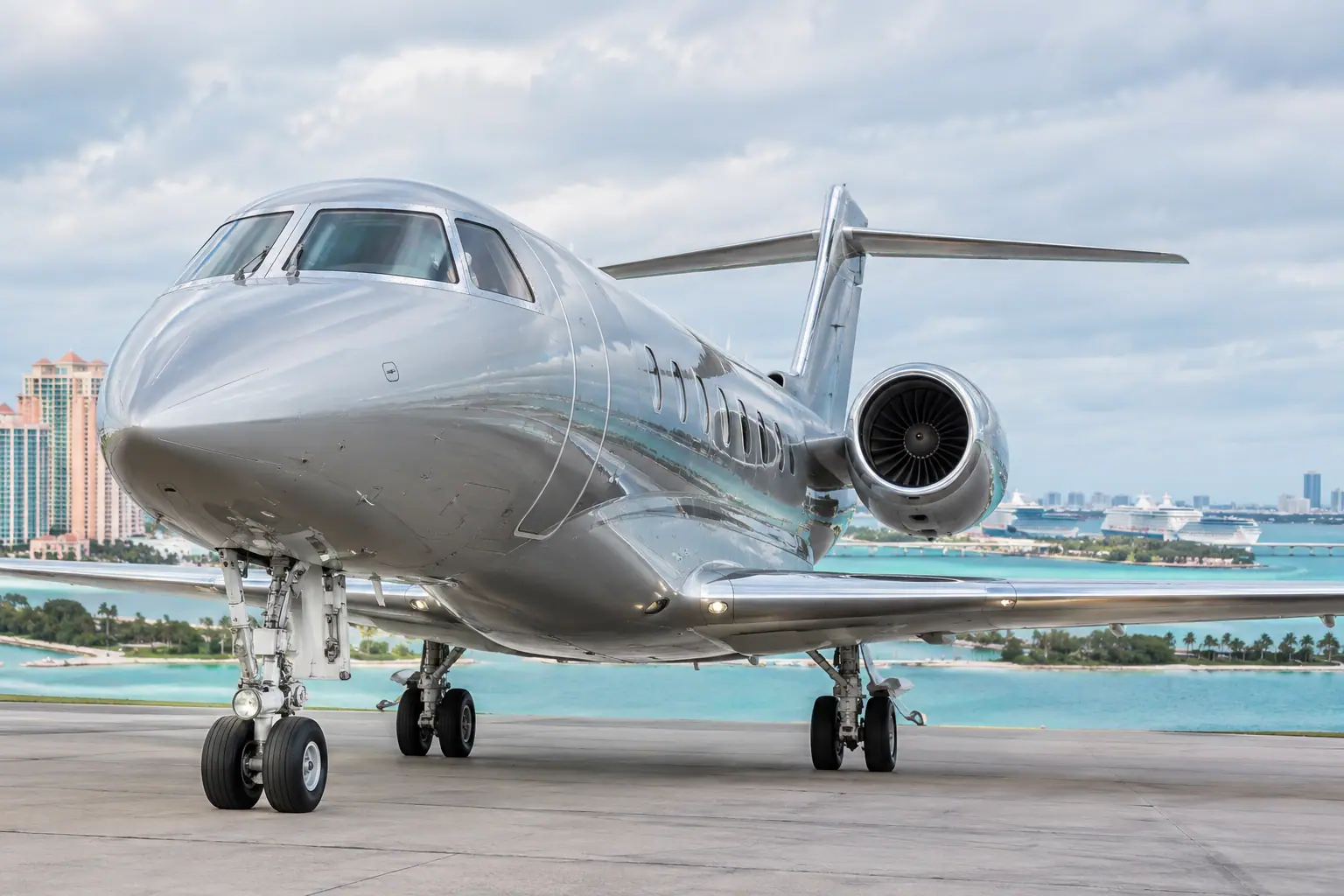
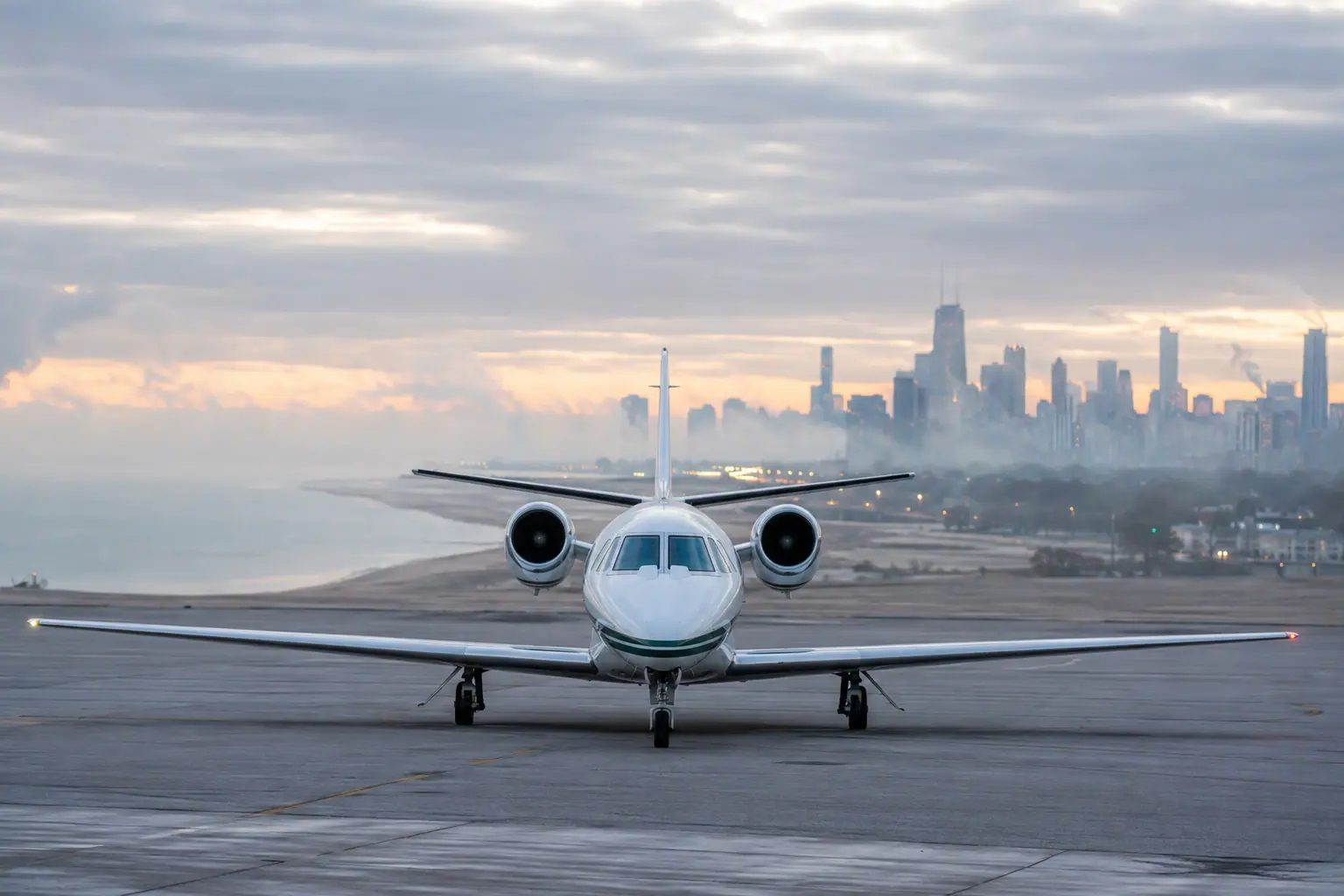
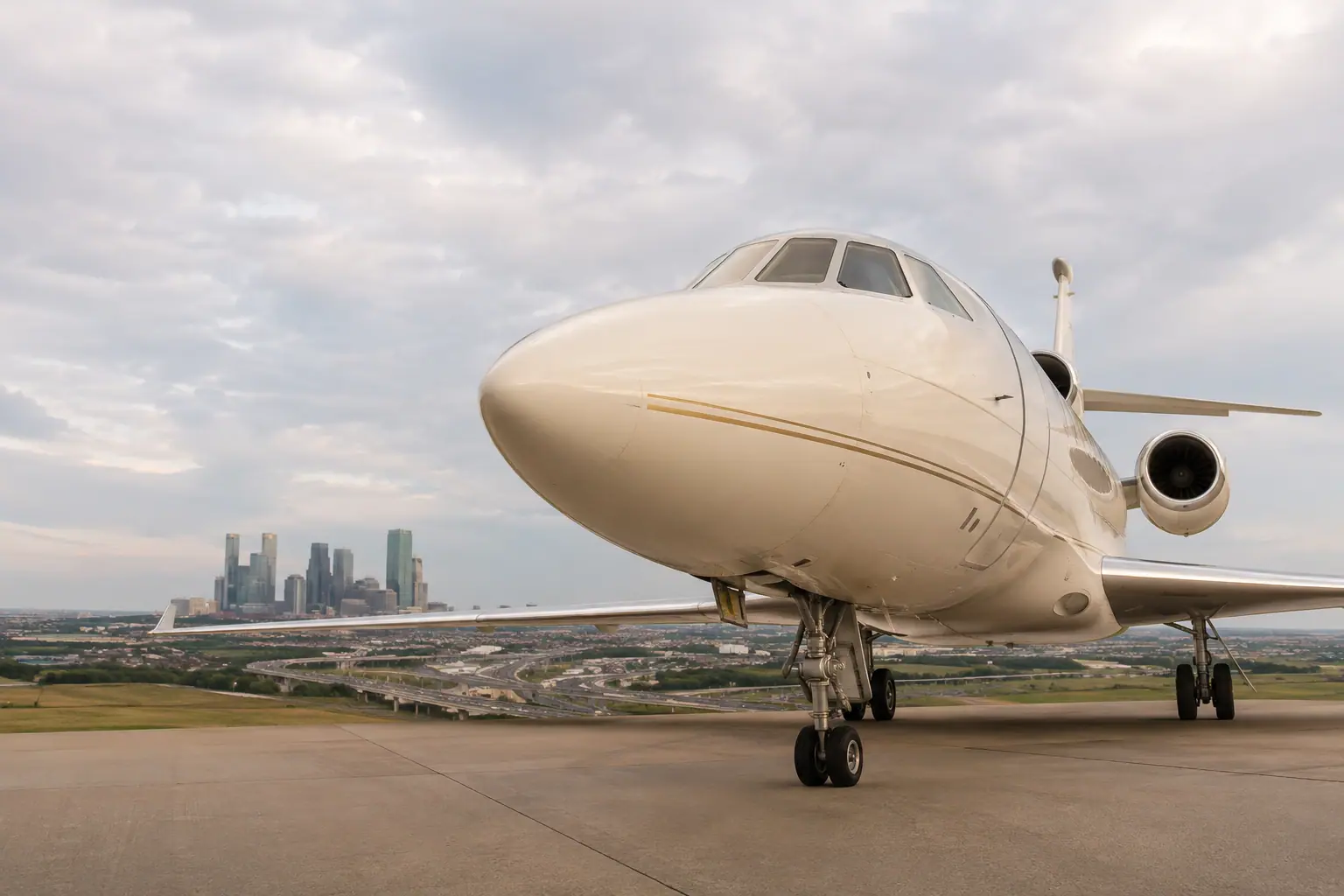

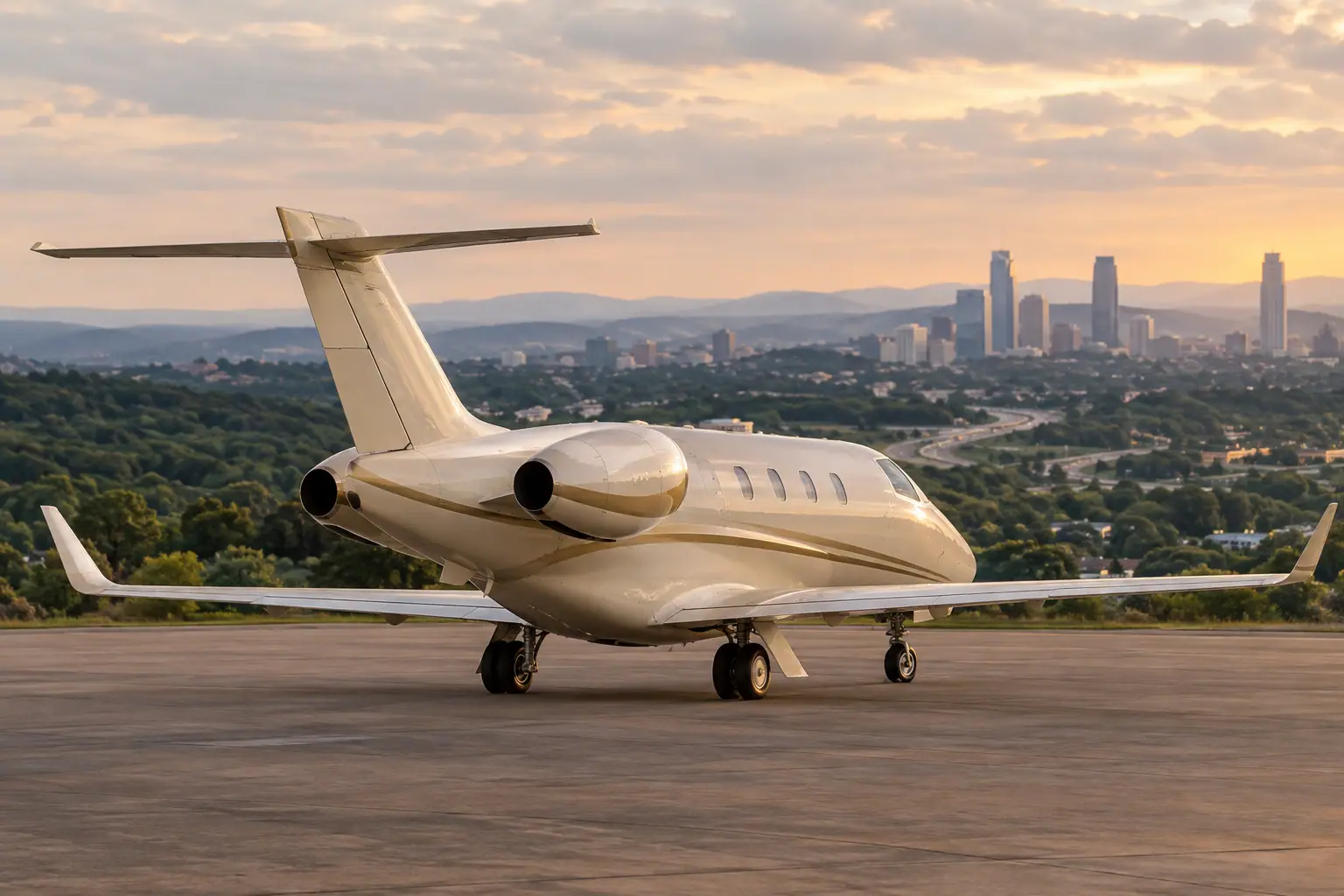
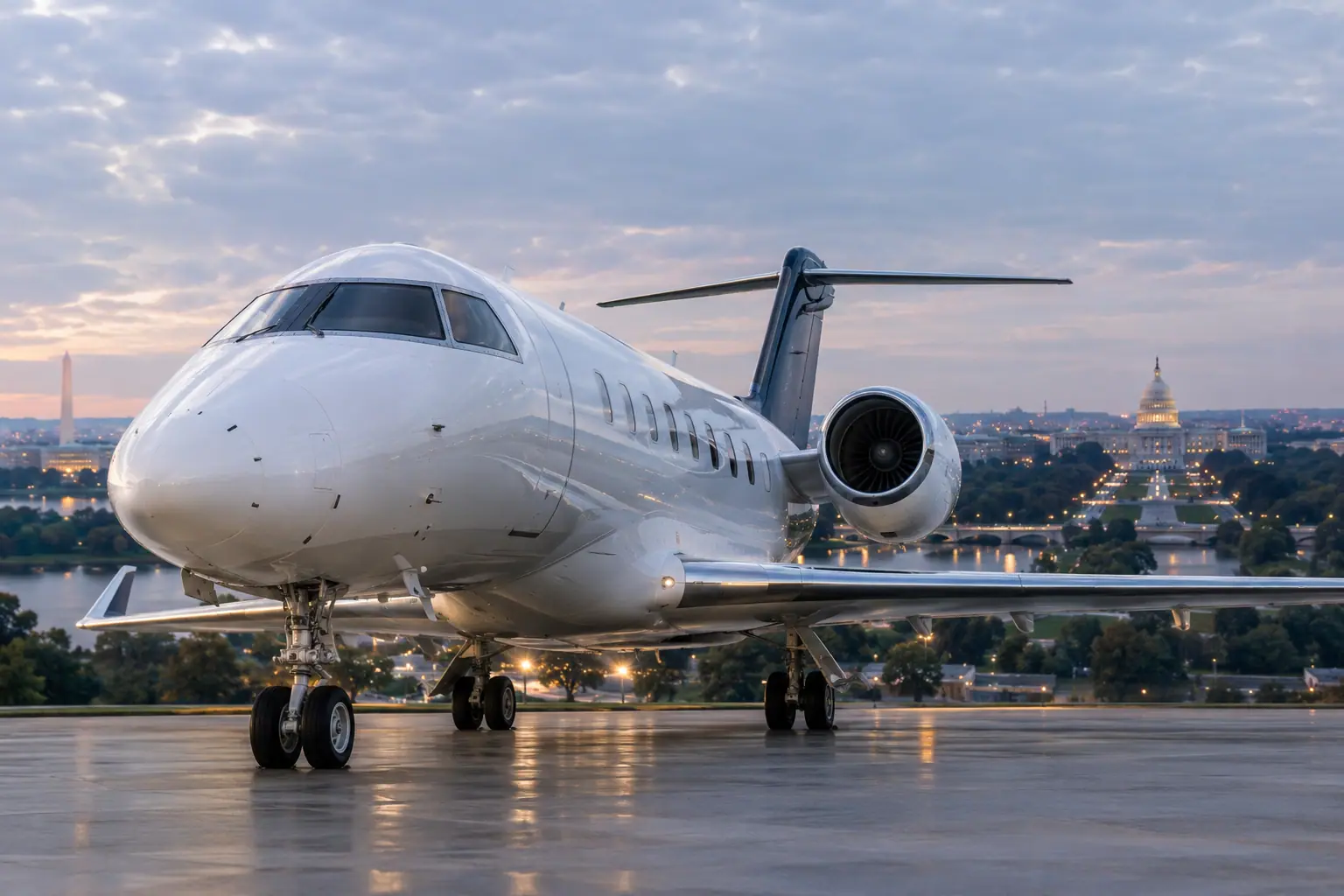
Private jet price per hour by class
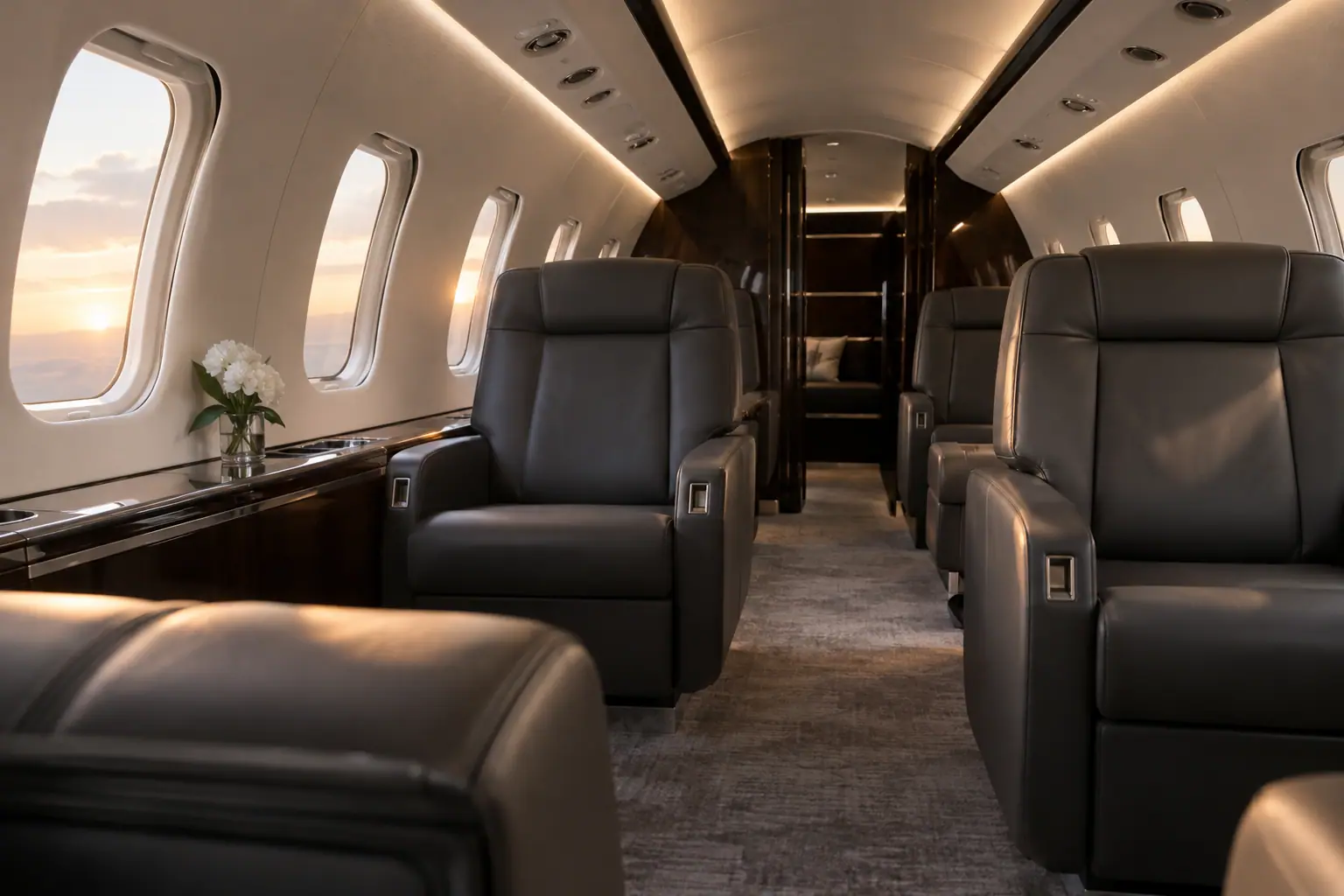
Private jet price per hour spans roughly $2,200 for a turboprop to $14,500 for a heavy jet, depending on cabin class and mission. Light jet hourly rates typically land between $3,800 and $5,800, and that band covers most short-haul legs under two hours. Midsize jets move up to $5,200 to $7,800 per hour, super-midsize to $7,200 to $10,000, and heavy jets to $9,500 to $14,500. Those are estimated ranges, not quotes; the actual number depends on the operator's cost base, crew duty limits, and how the trip is built.
Hourly rates can mislead if you treat them as a simple multiplier. A flight is billed on block time plus positioning, and many operators charge a minimum daily or leg fee. When you compare a private jet cost estimator, check whether taxes and fees sit inside the number. Empty legs are priced differently because the aircraft is already repositioning. Ask for the all-in figure before you compare two quotes side by side.
| Class | Seats | Hourly estimate | New York → Miami |
|---|---|---|---|
| Turboprop | 6-8 | $2,200–$3,500 | $8,000–$12,500 |
| Light jet | 4-7 | $3,800–$5,800 | $10,000–$15,000 |
| Midsize jet | 7-9 | $5,200–$7,800 | $13,500–$20,000 |
| Super-midsize jet | 8-10 | $7,200–$10,000 | $17,500–$24,000 |
| Heavy jet | 10-14 | $9,500–$14,500 | $23,000–$35,000 |
Matching jets to the trip and the runway
Turboprops and light jets handle the short regional hops where a bigger cabin buys nothing. A light jet seats four to seven passengers with a typical range near 1,400 nautical miles, enough for New York to Miami or Los Angeles to Cabo San Lucas. Midsize and super-midsize aircraft add cabin height, baggage space, and range for coast-to-coast legs. Heavy jets carry ten to fourteen passengers and fly nonstop across the country with room to spare. Super-midsize jets cruise near 470 knots with a range around 3,200 nautical miles.
The aircraft also has to fit the runway and the conditions. A turboprop can use shorter strips that a heavy jet cannot, and hot-day performance cuts payload on some fields. On hot days, an operator may restrict seats or fuel to stay within performance limits, so the quote can change with the temperature. That is a performance question, not a sales pitch.
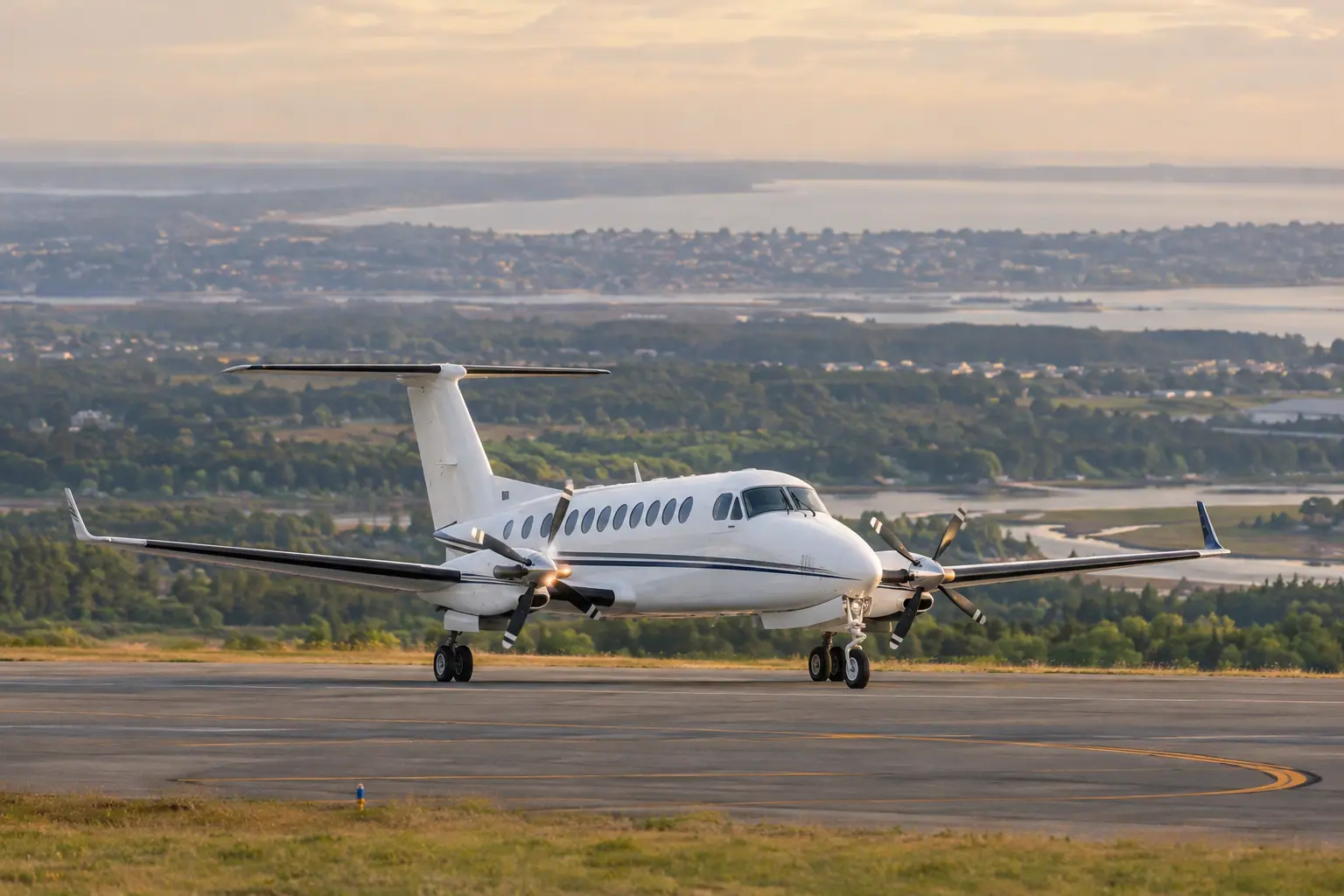
Turboprop
- 6-8 seats
- 300 kt cruise
- 1,500 nm range
Daher TBM 960, Beechcraft King Air 350i

Light jet
- 4-7 seats
- 430 kt cruise
- 1,400 nm range
Embraer Phenom 300E, Pilatus PC-24
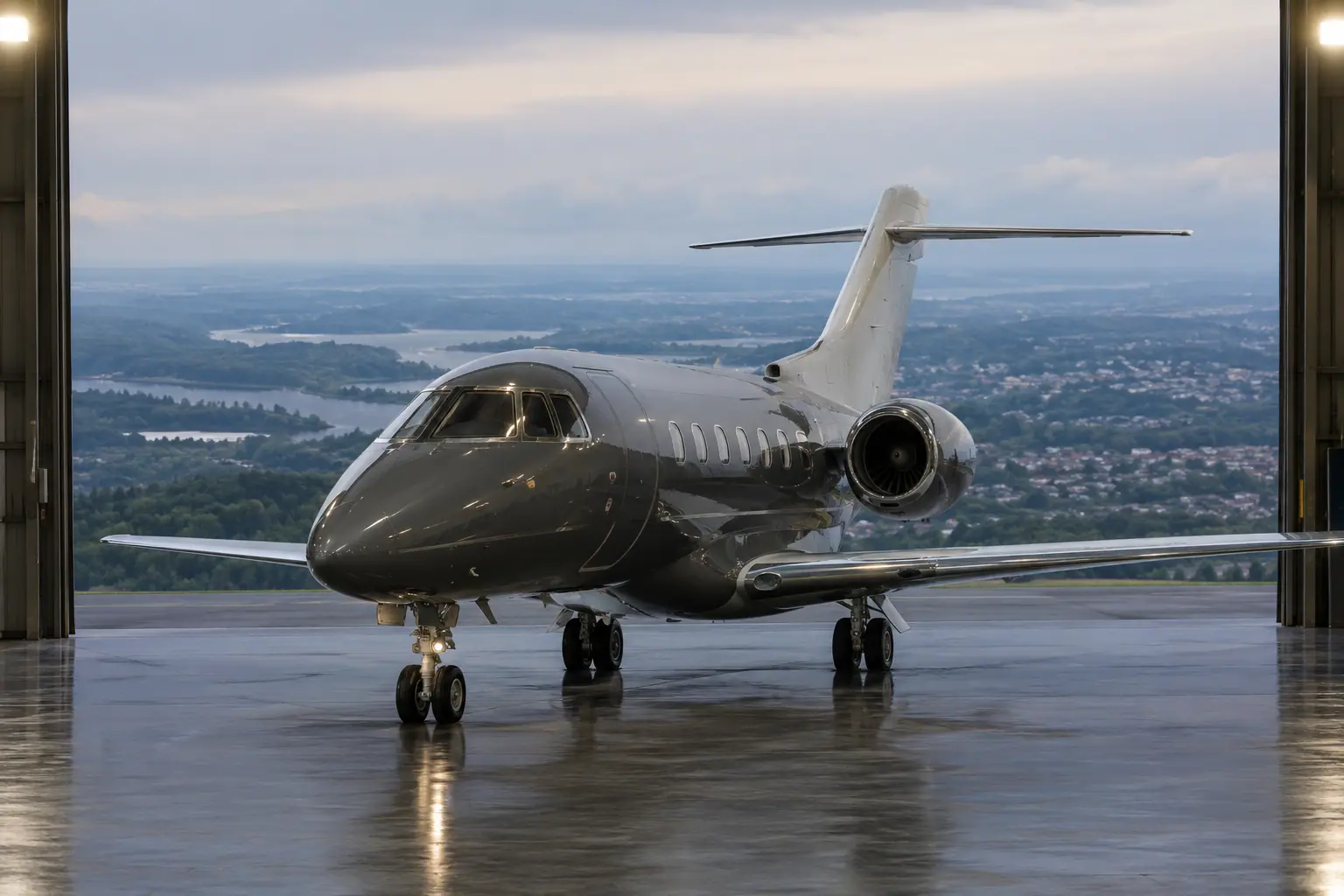
Midsize jet
- 7-9 seats
- 440 kt cruise
- 2,100 nm range
Cessna Citation Latitude, Hawker 800XP
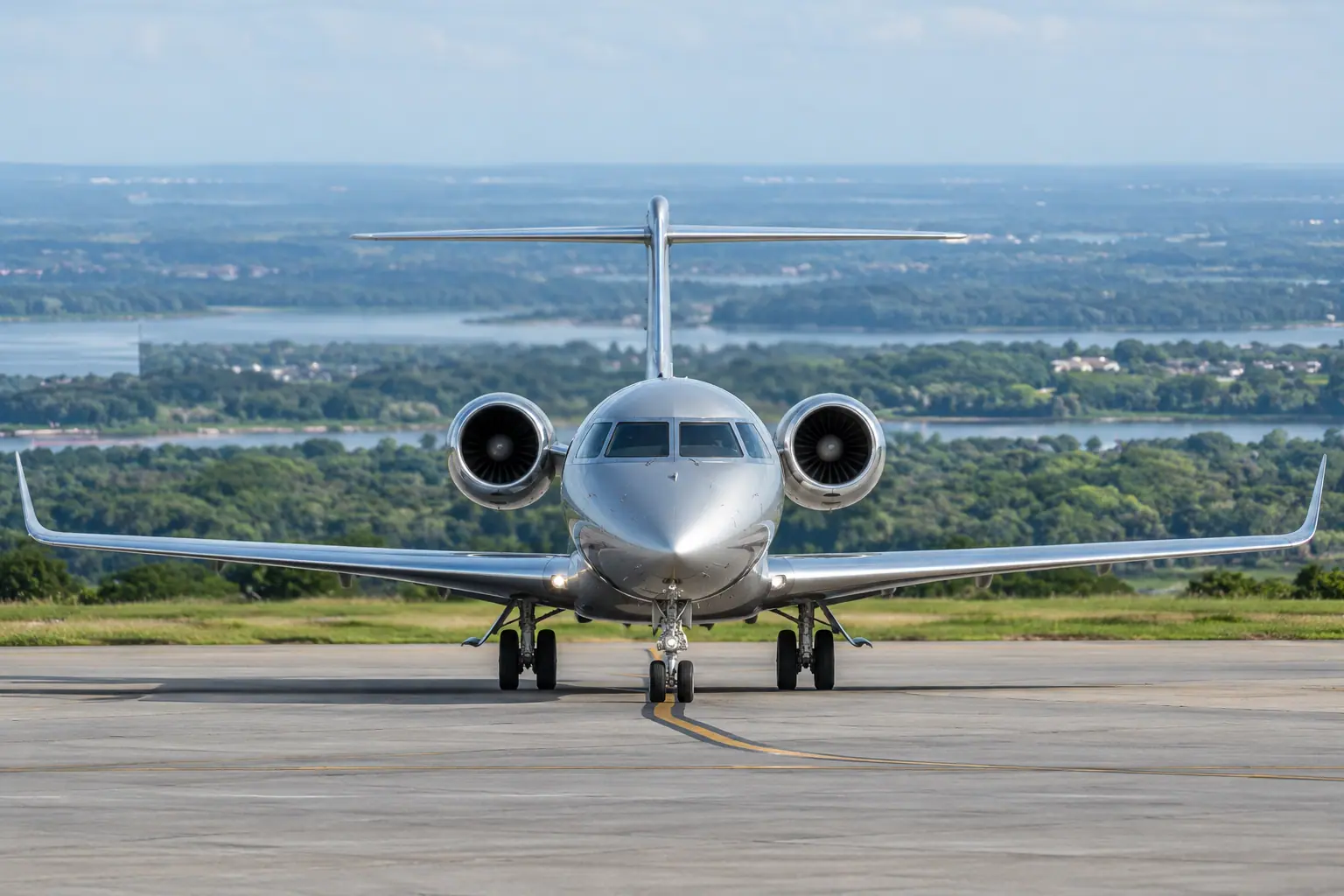
Super-midsize jet
- 8-10 seats
- 470 kt cruise
- 3,200 nm range
Bombardier Challenger 350, Gulfstream G280
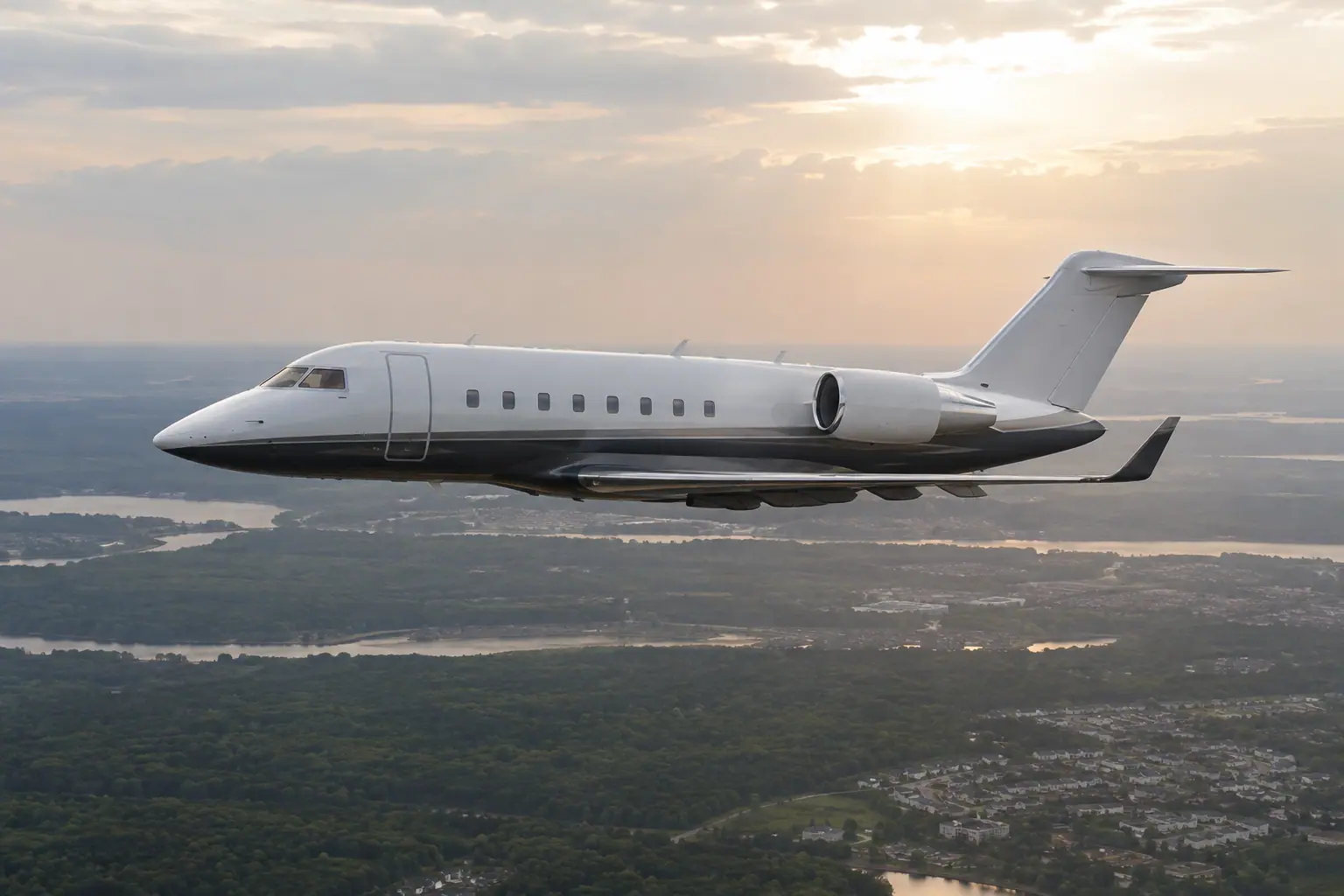
Heavy jet
- 10-14 seats
- 470 kt cruise
- 4,000 nm range
Gulfstream G450, Bombardier Challenger 650
Heat, density altitude, and quotes
Density altitude is the number pilots watch when summer arrives, because hot air reduces lift and engine performance. At Centennial Airport near Denver, July density altitude averages about 9,200 feet, and peak heat pushes it near 9,700 feet. That is high enough to change payload on some aircraft. Elsewhere the effect is smaller: Phoenix Deer Valley reaches about 3,600 feet in July and 4,100 feet at peak, while Las Vegas climbs to roughly 5,800 feet in July. When density altitude rises, an operator may limit seats or fuel to stay within performance limits.
The rest of the year, weather patterns and events drive demand. The FACTS show Chicago Midway with highs around 85F in July and wet days peaking at 13 that month, so summer storms can reroute flights. If a summer thunderstorm closes your arrival airport, the crew may hold or divert, and that adds time to the bill. Winter brings its own pattern: New York area fields see wet days around 11 in December, and deicing adds cost on cold mornings.
Event weeks matter as much as weather. Las Vegas conventions, South Florida winter traffic, and Colorado ski season all tighten aircraft availability. When demand spikes around a major event, the hourly rate may hold but the total quote can rise with positioning and minimum charges. That is why a quote for the same route can differ by thousands of dollars from one week to the next.
| Month | Avg high | Wet days | KTEB DA | KVNY DA | KOPF DA |
|---|---|---|---|---|---|
| Jan | 40°F | 9 | -1,300 ft | 1,400 ft | 1,100 ft |
| Feb | 43°F | 11 | -1,100 ft | 1,600 ft | 1,300 ft |
| Mar | 49°F | 10 | -700 ft | 1,700 ft | 1,500 ft |
| Apr | 60°F | 12 | 100 ft | 2,100 ft | 1,700 ft |
| May | 70°F | 11 | 700 ft | 2,200 ft | 1,800 ft |
| Jun | 79°F | 11 | 1,300 ft | 2,700 ft | 1,900 ft |
| Jul | 85°F | 13 | 1,700 ft | 3,200 ft | 1,900 ft |
| Aug | 83°F | 12 | 1,600 ft | 3,300 ft | 1,900 ft |
| Sep | 77°F | 10 | 1,200 ft | 3,000 ft | 1,900 ft |
| Oct | 66°F | 9 | 500 ft | 2,700 ft | 1,700 ft |
| Nov | 54°F | 9 | -300 ft | 2,000 ft | 1,400 ft |
| Dec | 45°F | 11 | -900 ft | 1,500 ft | 1,200 ft |
Wet days counts days with at least 1 mm of precipitation. Density altitude is figured at the mean afternoon high using a rough rule of thumb. Operators apply their own performance figures.

Airports that shape pricing and access
Airport choice changes both the access and the operating cost, especially where elevation and heat cut performance. At Centennial Airport near Denver, the field sits at 5,885 feet, so density altitude can reach 9,700 feet on a 115F day. That altitude affects takeoff distance and payload. The notes below cover the fields that come up most often in charter quotes.
Teterboro Airport
- KTEB code
- 6,997 ft runway
- 0 mi to downtown New York
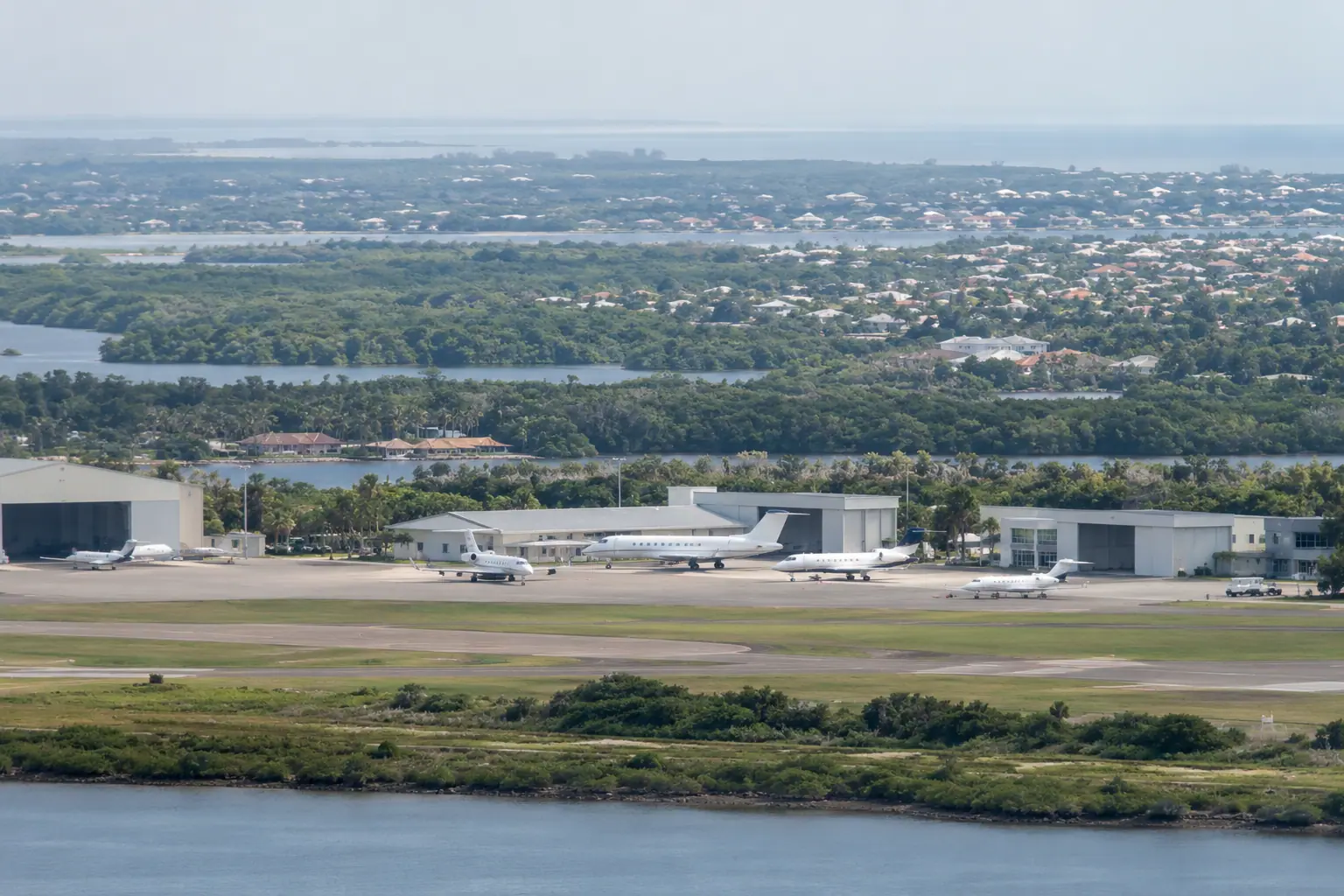
Teterboro is the default business-aviation field for Manhattan, about 12 miles from Midtown. The 6,997-foot runway and four FBOs keep it busy, and peak density altitude reaches about 2,300 feet on a hot day. Slot and curfew rules apply, so operators build those constraints into the schedule. If your trip starts in New York, Teterboro is usually the first airport quoted, and the FBO choice affects your ground time.

Van Nuys Airport
- KVNY code
- 8,001 ft runway
- 0 mi to downtown Los Angeles
Van Nuys is the busiest general-aviation field in the Los Angeles area, with an 8,001-foot runway and four FBOs. Summer density altitude climbs to about 3,200 feet in July and 3,800 feet at peak heat, which matters for heavier aircraft. It is the standard departure point for Las Vegas and Cabo runs. When you compare quotes from Los Angeles, check whether the operator is based at Van Nuys or is positioning in.
Miami-Opa Locka Executive Airport
- KOPF code
- 8,002 ft runway
- 0 mi to downtown Miami
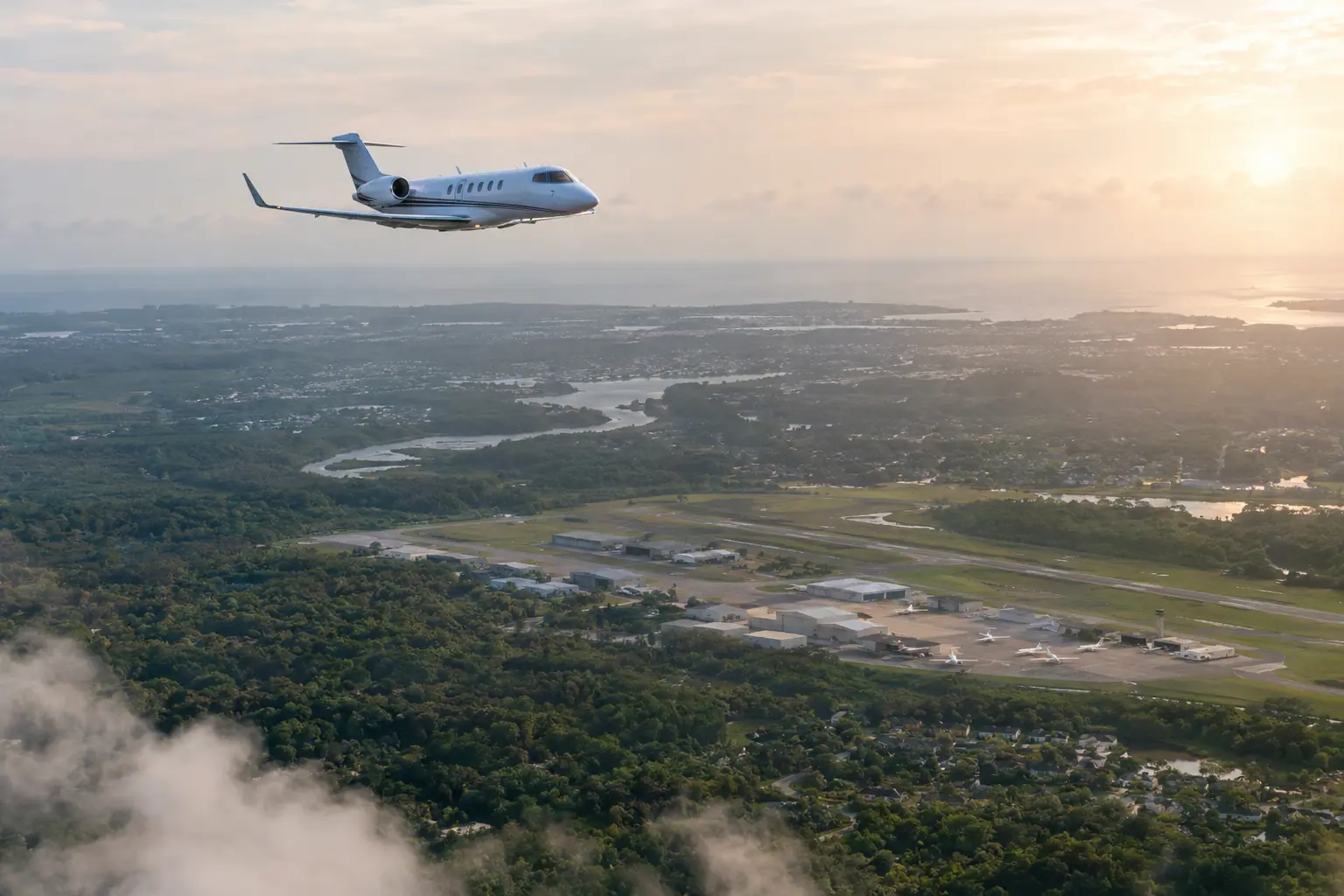
Miami-Opa Locka Executive sits about 10 miles north of downtown Miami and handles a large share of South Florida charter traffic. The 8,002-foot runway and four FBOs support international departures, and CBP is available for return legs. Peak density altitude reaches roughly 2,500 feet in summer heat. If you are flying to the Bahamas or the Caribbean, Opa Locka is often the most efficient South Florida departure point.

Chicago Midway International Airport
- KMDW code
- 6,522 ft runway
- 0 mi to downtown Chicago

Dallas Love Field
- KDAL code
- 8,800 ft runway
- 0 mi to downtown Dallas

William P. Hobby Airport
- KHOU code
- 7,602 ft runway
- 0 mi to downtown Houston
When to book for availability
Booking lead time changes the price more than most travelers expect, because aircraft and crews are scheduled around peaks. If you can move your trip a day away from a holiday or convention, the quote often drops. Midweek departures usually offer more aircraft choices than Friday afternoons. For international legs, customs and handling slots add another constraint, so confirm CBP hours before you commit.
The monthly highs and wet days in the FACTS give a rough map. July in Chicago averages 85F with 13 wet days, so afternoon storms are common. January in the New York area averages 40F with nine wet days, which means deicing and weather delays. When you plan around the shoulder months, you get more aircraft options and fewer weather delays. That is a scheduling advantage, not a guarantee.

How a charter quote is built
Define the mission
Give the airports, dates, passenger count, and baggage. The operator needs the actual runway and elevation to check performance, especially at high-altitude fields like Centennial.
Match aircraft and operator
We compare FAA Part 135 operators with the right cabin class and range. Turboprops, light jets, and heavy jets have different hourly bands, so the aircraft choice drives the estimate.
Price the full trip
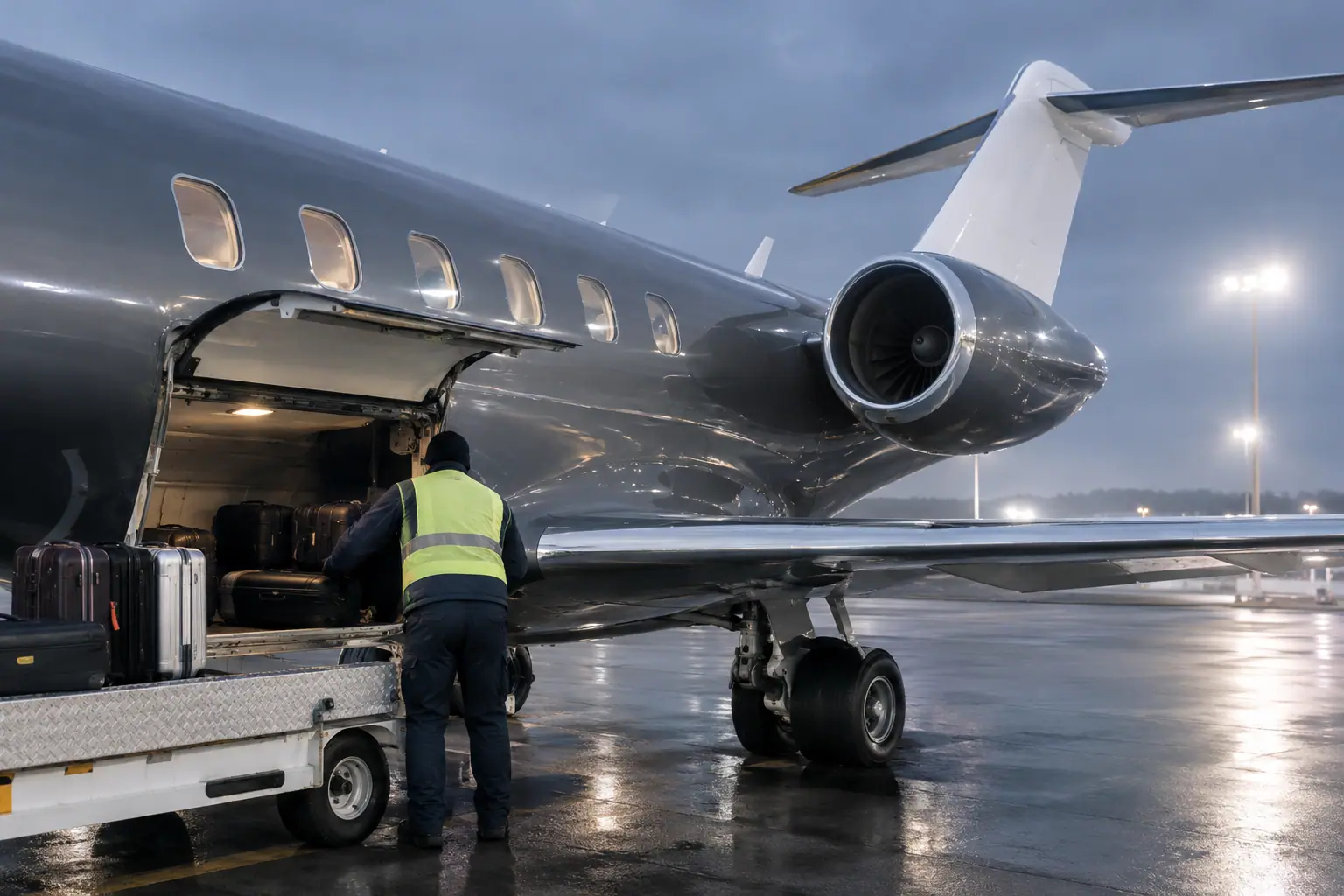
The quote includes block time, positioning, landing fees, taxes, and crew. Ask for the all-in number so you can compare a private jet cost estimator against the real figure.
Confirm and coordinate
We act as your agent under DOT Part 295, while the operator holds operational control. For international legs, we confirm CBP and handling before the schedule is locked.
Common questions
What is the private jet price per hour in 2026?
It ranges from about $2,200 per hour for a turboprop to $14,500 for a heavy jet, based on the cabin class. Light jets sit at $3,800 to $5,800, midsize at $5,200 to $7,800, super-midsize at $7,200 to $10,000, and heavy jets at $9,500 to $14,500. These are estimated ranges, so ask for an all-in quote for your route.
How much does a private jet charter flight from New York to Miami cost?
A light jet on that 949-nautical-mile route runs about $10,000 to $15,000, with a flight time near 2 hours 37 minutes. The hourly rate is only part of it; taxes, fees, and positioning can change the total. Compare the all-in figure from at least two operators before you book.
Does a turboprop cost less per hour than a light jet?
Yes. Turboprops run $2,200 to $3,500 per hour, compared with $3,800 to $5,800 for light jets. They cruise near 300 knots and carry six to eight passengers, so they suit short regional legs where a jet's speed buys little. On longer routes, the slower cruise can erase the hourly savings.
How does density altitude affect a charter quote?
High elevation and heat reduce air density, which cuts lift and engine performance. At Centennial Airport, elevation is 5,885 feet and July density altitude averages about 9,200 feet. Operators may limit seats or fuel to stay within limits, so the quote can change with the departure time and temperature.
Are empty leg flights cheaper than a standard charter?
Empty legs are repositioning flights, so they are usually priced below a standard charter on the same route. The catch is timing: they follow the operator's schedule, not yours. If your dates are flexible, an empty leg can be a good value, but availability is limited and the route is fixed.
Who is responsible for the flight when I book through a broker?
The FAA Part 135 operator holds operational control and is responsible for the flight, crew, and maintenance. The broker acts as your agent under DOT Part 295 and arranges the trip. For international legs, CBP handles customs clearance. Ask which operator is flying before you sign.