Private jet hourly rates in Philadelphia
Private jet hourly rates in Philadelphia range from $2,200 to $14,500 per hour by aircraft class. A light jet typically costs $3,800 to $5,800 per hour. These are estimates, and your quote depends on the route and the operator.
- airport
- 1
- priced routes
- 0
- Home
- Philadelphia
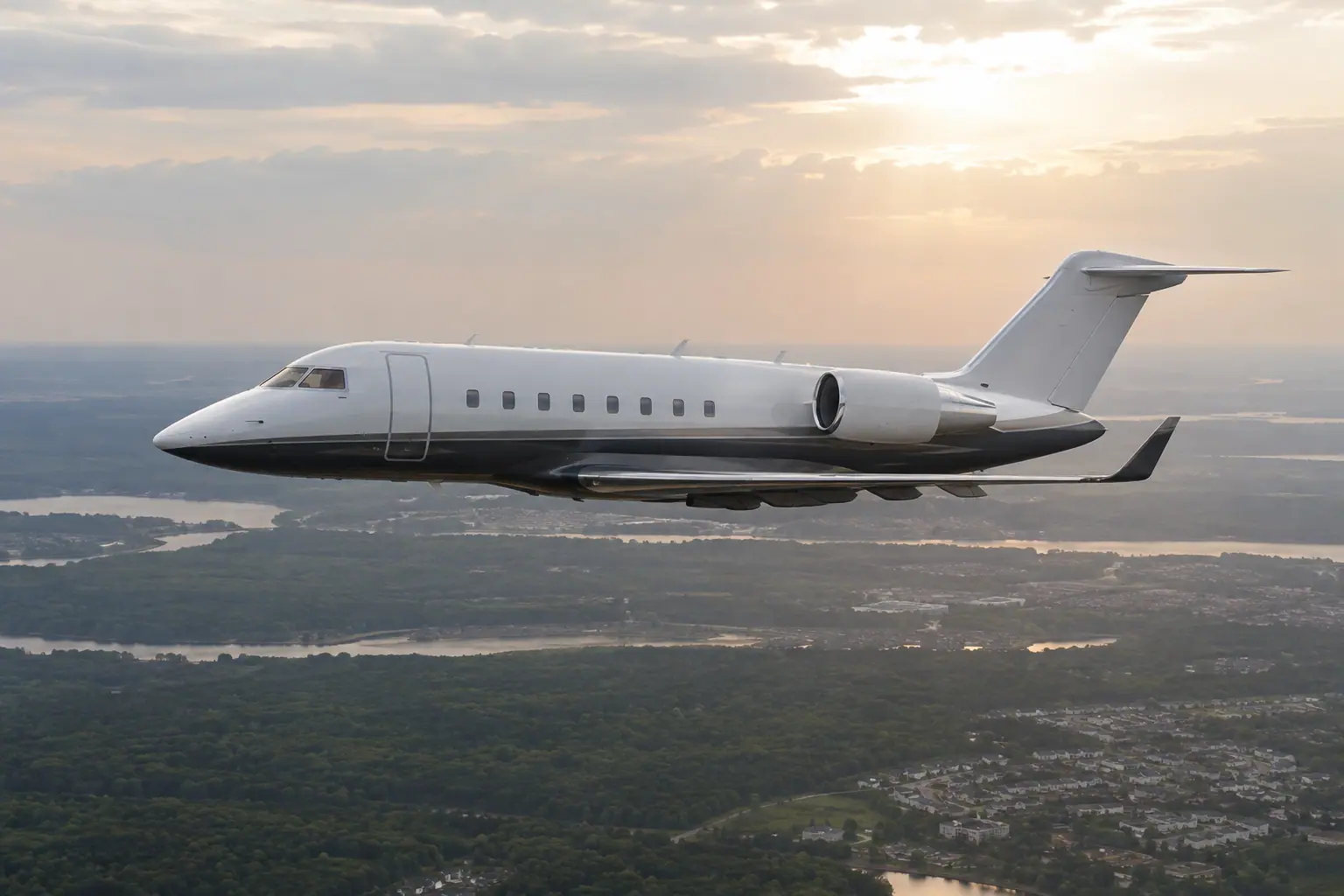
In Philadelphia, the aircraft you choose drives the hourly rate more than the airport does. Turboprops run $2,200 to $3,500 per hour and suit short hops to the Northeast and Mid-Atlantic, while light jets at $3,800 to $5,800 per hour cover most regional trips. Midsize jets at $5,200 to $7,800 per hour add cabin space and range for longer flights, and heavy jets at $9,500 to $14,500 per hour handle transcontinental or international legs. Because the city sits between New York and Washington, many flights are short, so the hourly rate matters less than the minimum daily charge.
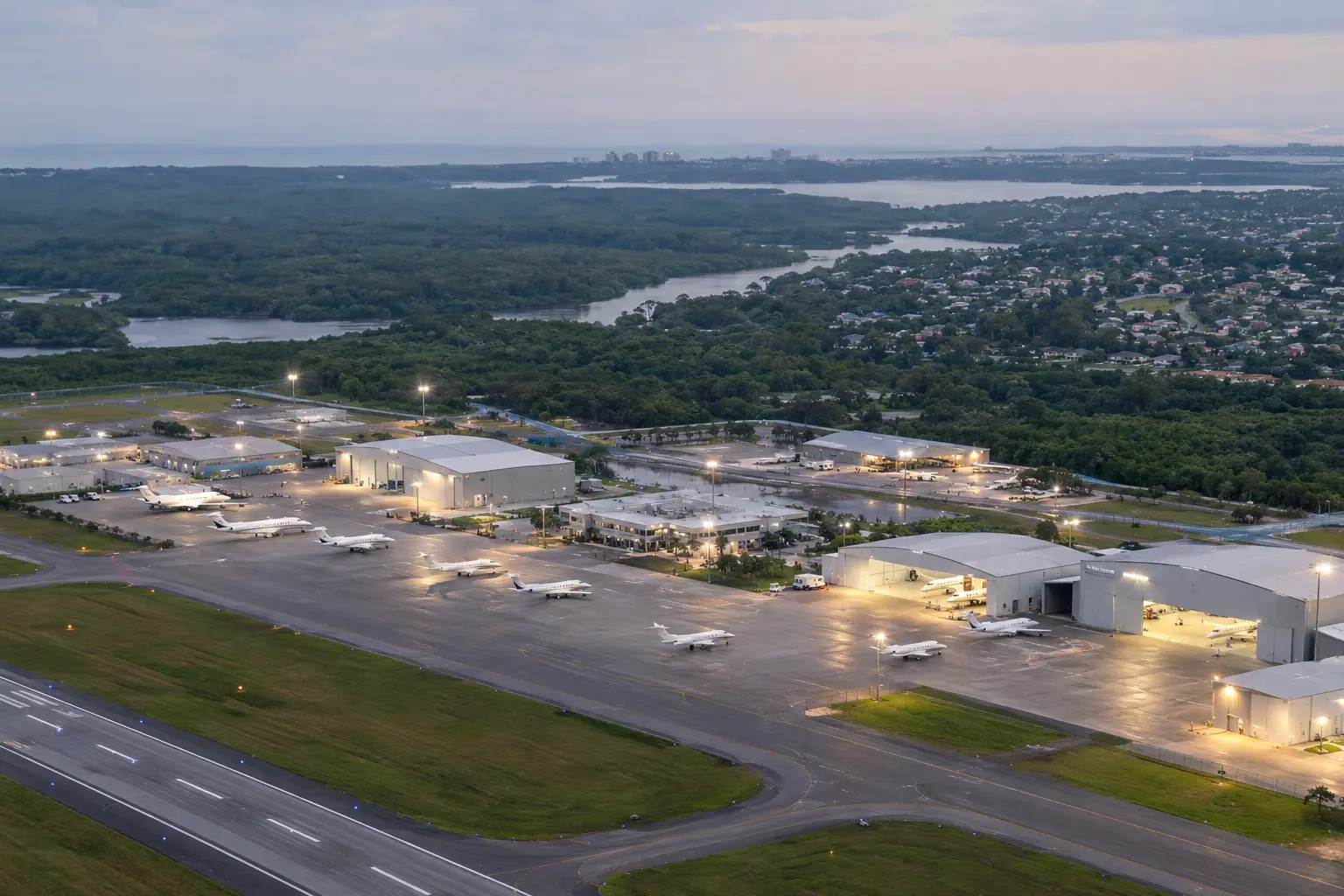
Northeast Philadelphia Airport (PNE) is the main general aviation field inside the city, with a 7,000-foot runway and an elevation of 120 feet. Summer heat pushes density altitude to about 2,500 feet at 115°F, which can reduce payload on smaller jets. Operators sometimes prefer nearby fields in New Jersey or Delaware for specific trips, so the airport that appears on your quote may change the hourly rate. When you compare options, ask which airport each operator plans to use and how that affects the total cost.
Availability in Philadelphia is affected by weather and by demand from the financial and pharmaceutical sectors. July highs average 87°F and the city sees 13 wet days in July and 12 in August, which can cause delays and last-minute repositioning. If your travel dates are flexible, then shifting by a day can lower the hourly rate because operators can combine flights. The FAA Part 135 operators who fly these trips set their own pricing, and a broker arranges the flight under DOT Part 295 rules.
Airports serving Philadelphia
How to book a private jet
Define the mission
Give the broker your route, passenger count and date. From Philadelphia, a typical trip might be a light jet to Boston or a midsize jet to Chicago. The mission determines which aircraft class you need and the hourly rate that applies.
Compare aircraft classes
Ask for quotes in more than one class. A turboprop at $2,200 to $3,500 per hour may be enough for a short flight, while a super-midsize jet at $7,200 to $10,000 per hour offers more range. The difference in hourly rate is not the only cost.
Check the operator and airport
Confirm that the operator holds FAA Part 135 authority and that the airport listed is PNE or another field you accept. Ask about crew duty limits and any ferry charges. The airport choice can change the hourly rate.
Review the total quote
The hourly rate is a starting point. Ask for the all-in estimate including landing fees, fuel surcharges and taxes. For international trips, CBP clearance may add cost. A broker should itemize these so you can compare offers.
Local factors that affect rates
Northeast Philadelphia Airport has a 7,000-foot runway and sits at 120 feet elevation, which is enough for most business jets. In summer, density altitude can reach 2,500 feet at 115°F, so smaller jets may face payload limits on hot days. The city sees 13 wet days in July, and storms can cause delays. If your trip is in July or August, then building in some flexibility can help you avoid higher last-minute rates. When you fly from Philadelphia, the airport and the season can matter as much as the aircraft class for the final hourly rate.
| Month | Avg high | Wet days |
|---|---|---|
| Jan | 41°F | 10 |
| Feb | 45°F | 11 |
| Mar | 52°F | 11 |
| Apr | 63°F | 12 |
| May | 73°F | 11 |
| Jun | 82°F | 11 |
| Jul | 87°F | 13 |
| Aug | 85°F | 12 |
| Sep | 78°F | 10 |
| Oct | 67°F | 9 |
| Nov | 55°F | 8 |
| Dec | 46°F | 10 |

Estimate a trip
Choose a route, travelers and bags to view the suitable class, flight duration and a price range.
Questions
What are the private jet hourly rates in Philadelphia for 2026?
Private jet hourly rates in Philadelphia for 2026 range from $2,200 to $14,500 per hour, depending on aircraft class. Turboprops start at $2,200, light jets at $3,800, midsize jets at $5,200, super-midsize jets at $7,200 and heavy jets at $9,500. These are estimates from typical operator pricing, and actual quotes vary by trip and operator.
How much does a light jet cost per hour from Philadelphia?
A light jet from Philadelphia typically costs between $3,800 and $5,800 per hour. That class carries 4 to 7 passengers and has a range of about 1,400 nautical miles, which covers most of the eastern U.S. and parts of the Midwest. For longer trips, a midsize or super-midsize jet may be more efficient even at a higher hourly rate.
Which airport serves private jets in Philadelphia?
Northeast Philadelphia Airport (PNE) is the primary general aviation field, with a 7,000-foot runway and an elevation of 120 feet. It has an FBO and handles most private jet traffic for the city. Some operators may use other airports in the region, so confirm the airport on your quote. Density altitude at PNE can reach about 2,500 feet in extreme summer heat.
What affects the hourly rate for a private jet in Philadelphia?
Aircraft class, airport choice, season and demand all affect the hourly rate. Summer heat can lower payload, and 13 wet days in July can cause delays. Short flights may carry a minimum daily charge, which makes the effective hourly rate higher. Operator pricing under FAA Part 135 rules also varies, so comparing quotes from several operators is important.
Is a turboprop cheaper than a jet from Philadelphia?
Yes, a turboprop typically costs $2,200 to $3,500 per hour, compared with $3,800 to $5,800 for a light jet. Turboprops cruise at about 300 knots and have a range of 1,500 nautical miles, which suits short trips to New York, Washington or Boston. For longer routes, a jet's higher speed can offset its higher hourly rate.
How do I get a quote for a private jet from Philadelphia?
Provide your route, dates and passenger count to a broker, who will request quotes from FAA Part 135 operators. The broker acts as your agent under DOT Part 295 rules. You should receive estimates that include the hourly rate and additional costs. Compare at least three quotes, and confirm the airport and aircraft type before booking.