Private jet hourly rates in Phoenix
Private jet hourly rates in Phoenix vary by aircraft class and time of year. A July departure carries a density altitude of 3,600 feet at Deer Valley, which affects performance. Operators factor that into quotes for flights from the Valley.
- airport
- 1
- priced routes
- 0
- Home
- Phoenix
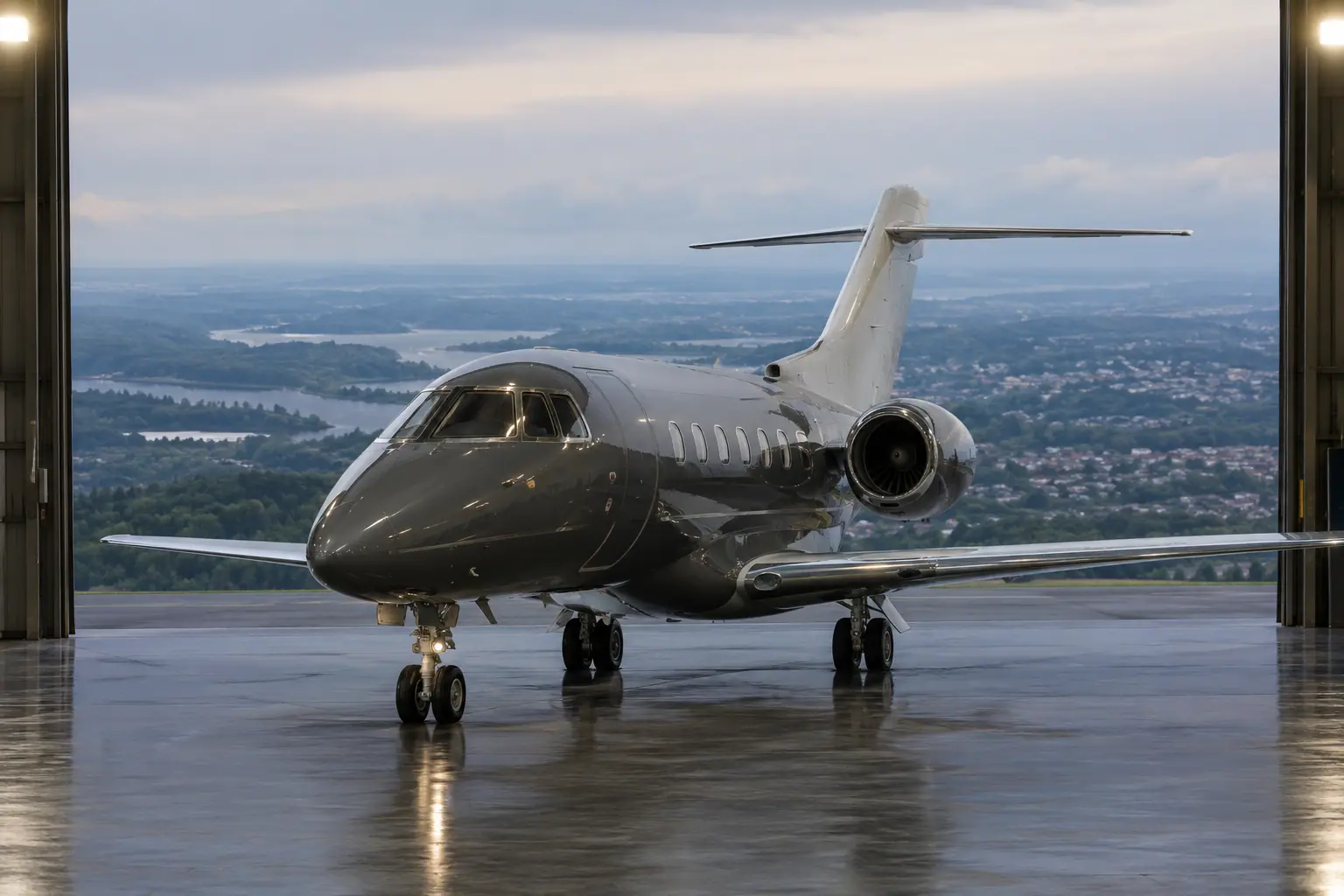
Phoenix has one major business aviation airport in the facts: Phoenix Deer Valley (KDVT) with an 8,196-foot runway and Cutter Aviation as the FBO. That elevation of 1,478 feet and summer density altitudes that can hit 4,100 feet at 115F mean light jets and turboprops need careful performance planning. The result is that some operators will quote a higher hourly rate to cover the reduced payload or longer takeoff roll, while heavy jets handle the heat with little change.
Typical routes from Phoenix split into two groups. Short hops within the Southwest, such as to Las Vegas, Los Angeles or San Diego, favor light jets and turboprops because the stage length is short and the hourly rate dominates the invoice. Transcontinental flights to New York or Miami push into midsize and super-midsize territory, where range and cabin comfort matter more, and the hourly rate climbs accordingly. Empty legs from repositioning aircraft can appear on either group.
What changes availability in Phoenix is the seasonal event calendar. The WM Phoenix Open, spring training baseball and the Barrett-Jackson auction pull aircraft into the Valley, and operators may hold aircraft or charge a premium during those weeks. Conversely, the deep summer is slower, so empty legs and negotiated rates are more common. Because charter brokers like this one act as agents under DOT Part 295, they compare quotes across multiple FAA Part 135 operators rather than quoting from a single fleet.
Airports serving Phoenix
How to price a charter from Phoenix
Match the aircraft class to the mission
A turboprop at $2,200 to $3,500 per hour suits short legs to Tucson or Las Vegas; a light jet at $3,800 to $5,800 is the workhorse for Los Angeles; and a heavy jet at $9,500 to $14,500 covers transcontinental flights to New York or Miami with nonstop range.
Account for summer performance
At 115F, KDVT's density altitude reaches about 4,100 feet, so light jets may face payload restrictions or need a longer runway. Ask the operator how the quote reflects that, and if the answer is vague, you likely have the wrong operator.
Compare quotes across operators
The broker requests quotes from several FAA Part 135 operators and shows you the hourly rate, taxes and fees side by side. If one quote is dramatically lower, check whether it includes fuel surcharges and crew overnight costs.
Book early around events
Spring training, the WM Phoenix Open and the Barrett-Jackson auction tighten supply at Deer Valley. Locking a quote early helps; if you wait, expect fewer aircraft and less flexibility on departure time.
What makes Phoenix pricing different
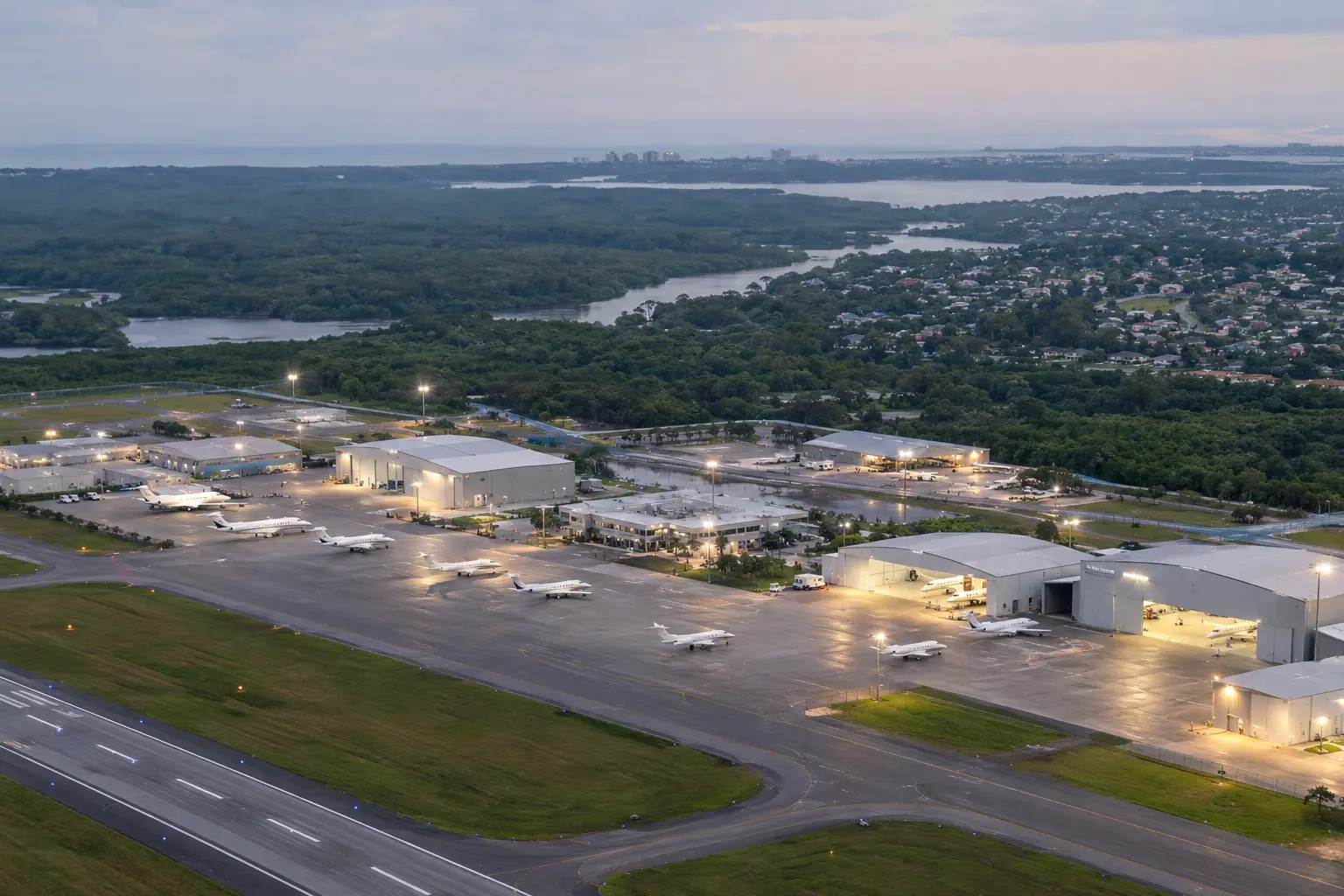
Phoenix Deer Valley is the main business aviation field in the facts, and its 8,196-foot runway handles every class from turboprop to heavy jet, but the 1,478-foot elevation and summer heat are real factors. Operators flying light jets out of Deer Valley in July may reduce seats or fuel to meet performance limits, and that can push the effective hourly cost higher than a winter quote for the same aircraft. The airport is about 242 miles from the fictional strip in the facts, which is irrelevant here but underlines that this is a single-airport market for the page. If your destination is international, CBP clearance matters and should be arranged before booking; brokers acting as agents under DOT Part 295 can coordinate that, but the operator holds operational control and the final say on routing.

Estimate a trip
Choose a route, travelers and bags to view the suitable class, flight duration and a price range.
Questions
What are the private jet hourly rates in Phoenix for a light jet?
Light jets in Phoenix run about $3,800 to $5,800 per hour, depending on the operator and season. That rate typically covers the aircraft, crew and fuel, but taxes and landing fees are extra. In summer, a light jet may need a payload reduction at Deer Valley because of the 4,100-foot density altitude at 115F, which can affect the final quote.
How much does a private jet cost per hour from Phoenix to Los Angeles?
A light jet from Phoenix to Los Angeles usually falls in the $3,800 to $5,800 per hour range, and the flight is short enough that the hourly rate dominates. A turboprop at $2,200 to $3,500 per hour is cheaper but slower. The quote should include ferry costs if the aircraft is not based at Deer Valley.
What is the cheapest aircraft class for a short flight from Phoenix?
The turboprop is the lowest-cost class at $2,200 to $3,500 per hour and suits legs like Phoenix to Tucson or Las Vegas. It carries six to eight passengers and cruises at 300 knots, so it is slower but the hourly rate is the lowest in the table. Light jets at $3,800 to $5,800 per hour are the next step up.
Do Phoenix summer temperatures affect hourly rates?
Yes. At 115F, the density altitude at Deer Valley reaches about 4,100 feet, and light jets may face payload restrictions. Operators may quote a higher hourly rate to cover the reduced efficiency or use a larger aircraft. Heavy jets are less affected. If you are flying in July, ask how the quote accounts for the 3,600-foot July density altitude.
What fees are extra on a Phoenix charter quote?
Beyond the hourly rate, expect landing fees, segment fees, fuel surcharges, crew overnight costs and federal excise tax. A broker acting as your agent under DOT Part 295 should itemize these. If a quote looks unusually low, check whether it includes all fees. Prices are estimates and can change with fuel and demand.
How far in advance should I book a private jet in Phoenix?
Book at least two to four weeks ahead for standard trips, and earlier around spring training, the WM Phoenix Open and the Barrett-Jackson auction, when aircraft supply tightens. Last-minute bookings are possible but cost more. For international departures, allow extra time for CBP coordination and crew documentation.