Private jet hourly rates in Las Vegas
Private jet hourly rates in Las Vegas start with the aircraft class. A light jet bills 3800 to 5800 USD per hour; a heavy runs 9500 to 14500. The airport and the month change the quote.
- airport
- 1
- priced routes
- 2
- Los Angeles → Las Vegas, light jet
- $4,000–$6,000
- Home
- Las Vegas

Las Vegas is unusual because almost every trip here bends around one airport. Harry Reid International (LAS) puts you about 2 miles from the Strip and has a 14835-foot runway, but its 2181-foot elevation turns into a 6300-foot density altitude on a 115F afternoon. That heat quietly changes the aircraft you can use, so a light jet with full tanks and full seats sometimes needs a weight rethink before the operator signs off. If July rolls around with 5800-foot density altitude, then light jets may face payload limits even on a long runway.
The route mix is short-hop heavy on one side and long-haul on the other. Los Angeles to Las Vegas is 199 nautical miles, which is 47 minutes in a light jet and 45 in a heavy, so the hourly number matters less than minimum billing and positioning. Dallas to Las Vegas is 925 nautical miles and runs 2 hours 34 minutes in a light jet up to 2 hours 22 minutes in a heavy. That is where the cabin class starts to separate on price, and where private jet charter rates are less about hours and more about the mission.
Availability here spikes and sags with the calendar. Convention weeks, big fight cards and the fall rodeo pull aircraft from Southern California, Phoenix and Salt Lake, and empty legs into LAS get scarce while repositioning fees get common. FAA Part 135 operators hold operational control of every flight, and brokers arranging the trip work as agents under DOT Part 295. When you compare quotes for a Las Vegas charter, insist they reflect the same trip terms before you rank them by price.
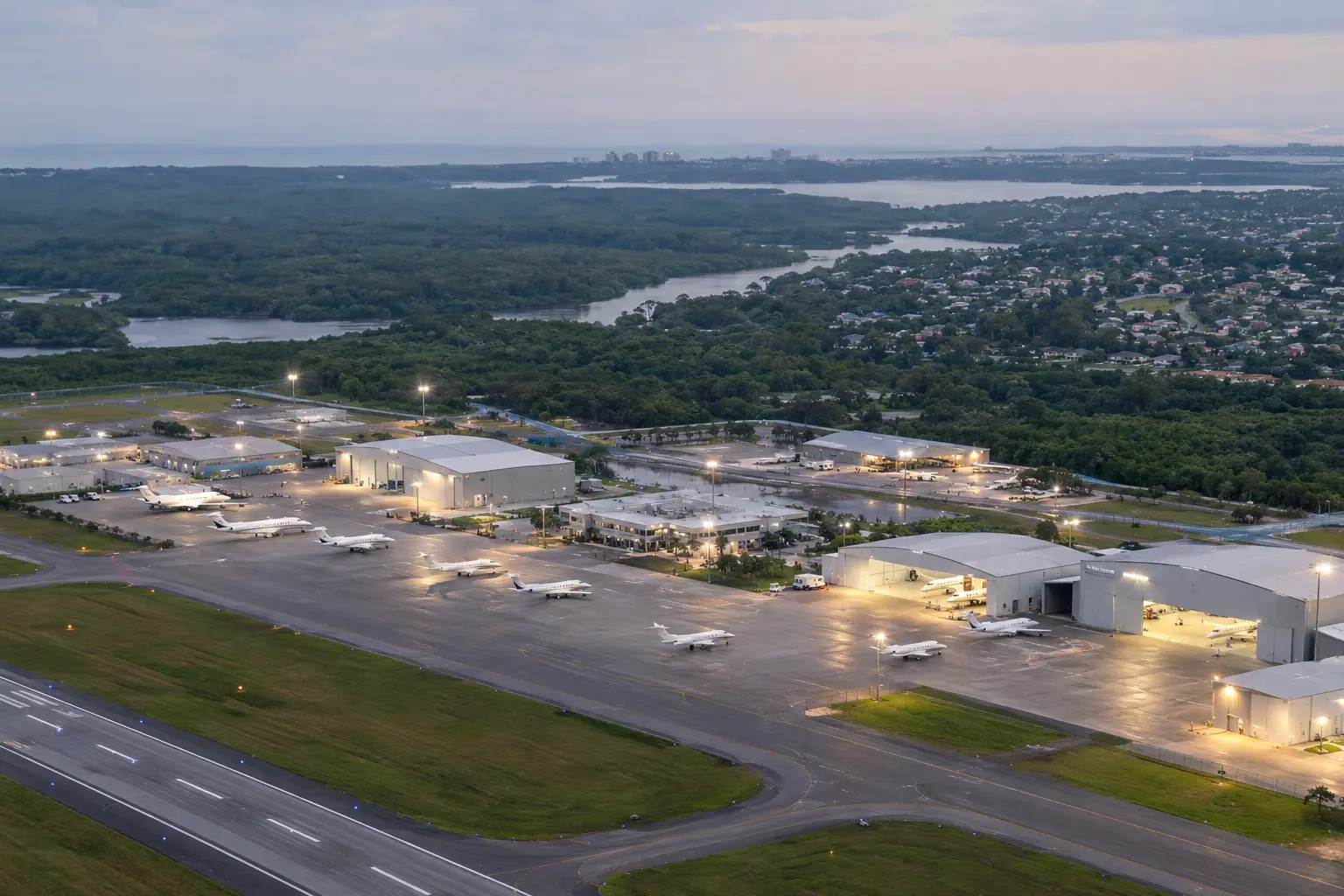
Airports serving Las Vegas
How to price a Las Vegas charter
Start with the airport, not the aircraft
LAS is the default for the Strip, but not every operator wants a slot there during a busy weekend. Ask whether the quote assumes Harry Reid or a reliever, because ground time and fees change the total even when the hourly rate stays fixed. If the quote is tied to Harry Reid International, then slot timing and FBO fees will appear as line items, not surprises.
Give the operator real passenger and bag counts
Heat and runway performance are tied to weight. On a hot afternoon at LAS, a full light jet may not clear the numbers a midsize will. Tell the broker the true headcount and luggage so the aircraft you are quoted can actually fly the trip. If the passenger count is realistic, then the aircraft quoted will match the departure conditions.
Compare quotes on the same terms
Ask each quote to show the hourly rate, the flight time, the positioning legs and any overnight fees. A cheap per-hour figure with two repositioning hours attached is not cheaper. FAA Part 135 operators set their own pricing, so the terms vary more than the rates do. When you line up private jet rental cost across operators, then the positioning and overnight lines decide the winner.
Book around the calendar, not just the date
Rates in Las Vegas respond to demand. If your trip lands on a major convention or event weekend, then reserve earlier and expect fewer empty legs. Midweek departures and returns typically give you more aircraft to choose from. If you can shift a departure by a day in Las Vegas, then you often gain aircraft choice and steadier pricing.
What hourly rates mean on Vegas routes
Read the numbers as estimates, not quotes. A turboprop runs 2200 to 3500 USD per hour, a light jet 3800 to 5800, a midsize 5200 to 7800, a super-midsize 7200 to 10000 and a heavy 9500 to 14500, all before taxes, fees and positioning. Los Angeles to Las Vegas prices at roughly 4000 to 6000 on a light jet, 5000 to 8000 midsize and 9500 to 14500 heavy. Dallas to Las Vegas comes in around 9500 to 15000 light, 13000 to 19500 midsize and 22500 to 34500 heavy. The short LA hop is dominated by minimums and ferrying, which is why the heavy figure looks out of proportion to 45 minutes of flying. Expect these private jet hourly rates in Las Vegas to move with demand on event weekends rather than staying fixed year-round. The route numbers help you sanity-check a private jet charter quote, but they do not replace one.
| Route | Light jet | Midsize | Heavy |
|---|---|---|---|
| Los Angeles → Las Vegas | $4,000–$6,000 | $5,000–$8,000 | $9,500–$14,500 |
| Dallas → Las Vegas | $9,500–$15,000 | $13,000–$19,500 | $22,500–$34,500 |
Why Las Vegas changes the math
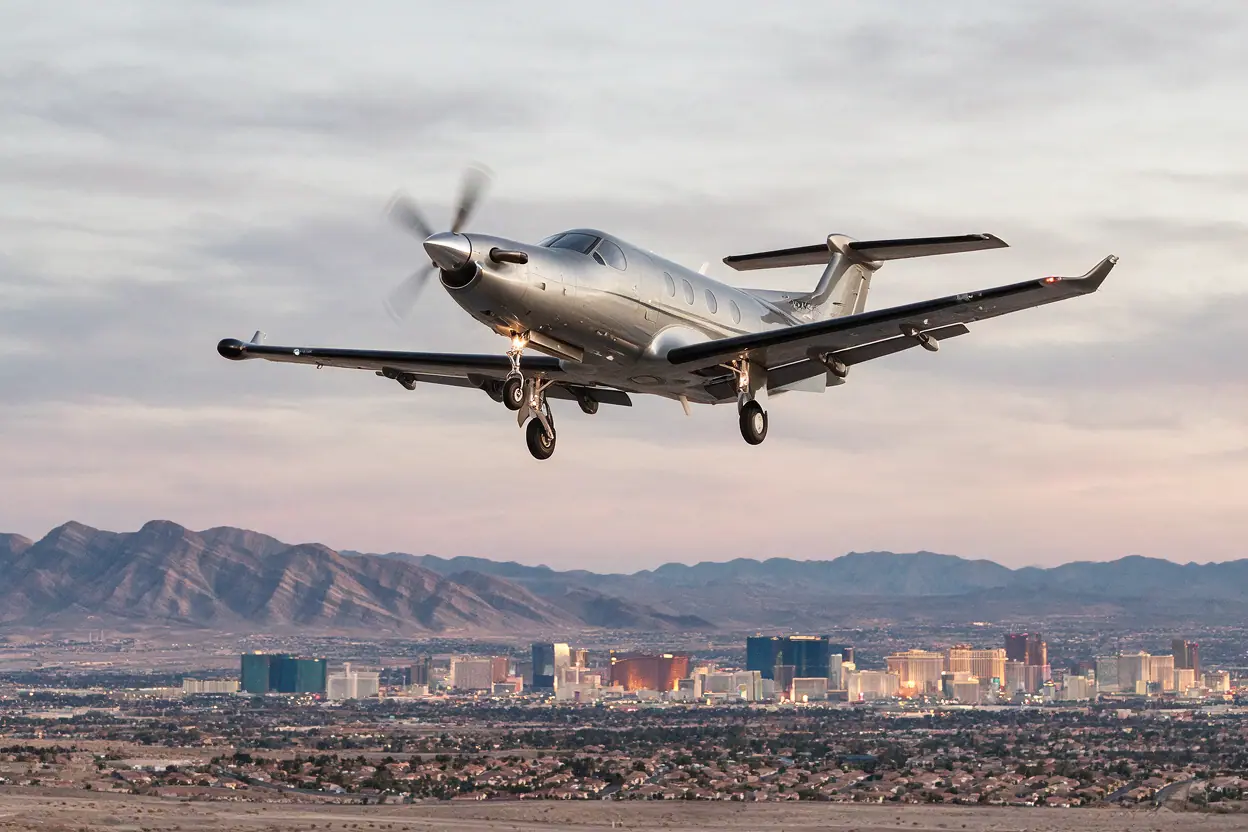
The climate does more to your quote than most passengers expect. Monthly highs climb from 57F in January to 105F in July, and LAS sits at 2181 feet, so summer departures can face 5800 to 6300 feet of density altitude. When the afternoon heat pushes density altitude past 6000 feet at Harry Reid, then light jets lose payload before they lose runway. Rain is rarely the issue, with wet days peaking at 4 in January and February and dropping to zero in June, but wind and heat still shape departure planning. If your trip falls during a convention or a fight weekend in Las Vegas, then expect repositioning fees and fewer empty legs. The Strip is 2 miles from the FBOs at Atlantic Aviation and Signature Aviation, so ground transfer is short and predictable. For international arrivals into Las Vegas, then CBP clearance and passenger manifest rules apply before anyone boards.
| Month | Avg high | Wet days |
|---|---|---|
| Jan | 57°F | 4 |
| Feb | 63°F | 3 |
| Mar | 70°F | 4 |
| Apr | 80°F | 2 |
| May | 87°F | 1 |
| Jun | 101°F | 0 |
| Jul | 105°F | 2 |
| Aug | 103°F | 2 |
| Sep | 95°F | 1 |
| Oct | 81°F | 2 |
| Nov | 66°F | 1 |
| Dec | 57°F | 2 |

Estimate a trip
Choose a route, travelers and bags to view the suitable class, flight duration and a price range.
Questions
What are typical private jet hourly rates in Las Vegas by cabin class?
Turboprops run 2200 to 3500 USD per hour and light jets 3800 to 5800. Midsize sits at 5200 to 7800, super-midsize at 7200 to 10000 and heavy at 9500 to 14500. Those bands are estimates before taxes, fees and positioning, and a Las Vegas trip often adds a repositioning leg because aircraft are staged in from nearby states.
How much does a light jet cost from Los Angeles to Las Vegas?
About 4000 to 6000 USD on a light jet for the 199 nautical mile hop, which flies in 47 minutes. The hourly rate matters less than minimum billing here, since a 47-minute leg is billed close to a one-hour minimum on many aircraft. Midsize runs 5000 to 8000 and heavy 9500 to 14500 for the same route.
What does a Dallas to Las Vegas charter cost?
Roughly 9500 to 15000 USD on a light jet, 13000 to 19500 midsize and 22500 to 34500 heavy. At 925 nautical miles, the flight takes 2 hours 34 minutes in a light jet and 2 hours 22 minutes in a heavy. That is long enough for the cabin class to matter in both comfort and price.
Does summer heat affect flights out of Harry Reid International?
It can. LAS sits at 2181 feet, and on a 115F afternoon density altitude reaches about 6300 feet, with July averaging 5800. High density altitude reduces performance, so a fully loaded light jet may face weight limits the operator has to plan around. Midsize and larger aircraft usually absorb the heat with fewer compromises.
Are quotes for Las Vegas flights higher during events?
Often yes. Convention weeks, major fights and the fall rodeo pull aircraft into the region and tighten supply. Brokers arranging under DOT Part 295 compare operators flying under FAA Part 135, and the quotes you see reflect current positioning and demand. Booking earlier and flying midweek usually gives you more aircraft and steadier pricing.
Is a turboprop worth considering for short Las Vegas trips?
For hops under roughly 300 nautical miles, a turboprop at 2200 to 3500 USD per hour can beat a light jet on total cost, though it cruises near 300 knots against 430. From Los Angeles at 199 nautical miles, the time difference is modest. From Dallas at 925 nautical miles, the turboprop's 1500 nautical mile range and slower cruise make a jet the better fit.